KNOWLEDGE DECOLONIZATION: INTEGRATING TRADITION WITH INNOVATION
DOI:
https://doi.org/10.25215/125798196X.14Abstract
Knowledge decolonization represents a critical shift from dominant Eurocentric epistemologies toward a more inclusive and pluralistic understanding of how knowledge is produced, validated, and applied. This chapter explores the historical marginalization of indigenous knowledge systems due to colonial and postcolonial hegemonies and argues for their meaningful reintegration into contemporary scientific and educational frameworks. Drawing on examples from traditional ecological knowledge, Ayurveda, oral storytelling, and community-based innovation, the discussion highlights the profound insights these systems offer in addressing global challenges such as sustainability, health, and social justice. Furthermore, the chapter critiques the limitations of modern technocratic models that often dismiss non-Western epistemologies and calls for an integrated approach that respects diversity while fostering innovation. In advocating for knowledge sovereignty and cognitive justice, this chapter promotes an epistemological transformation that empowers communities, enriches research, and paves the way for a more equitable global knowledge society.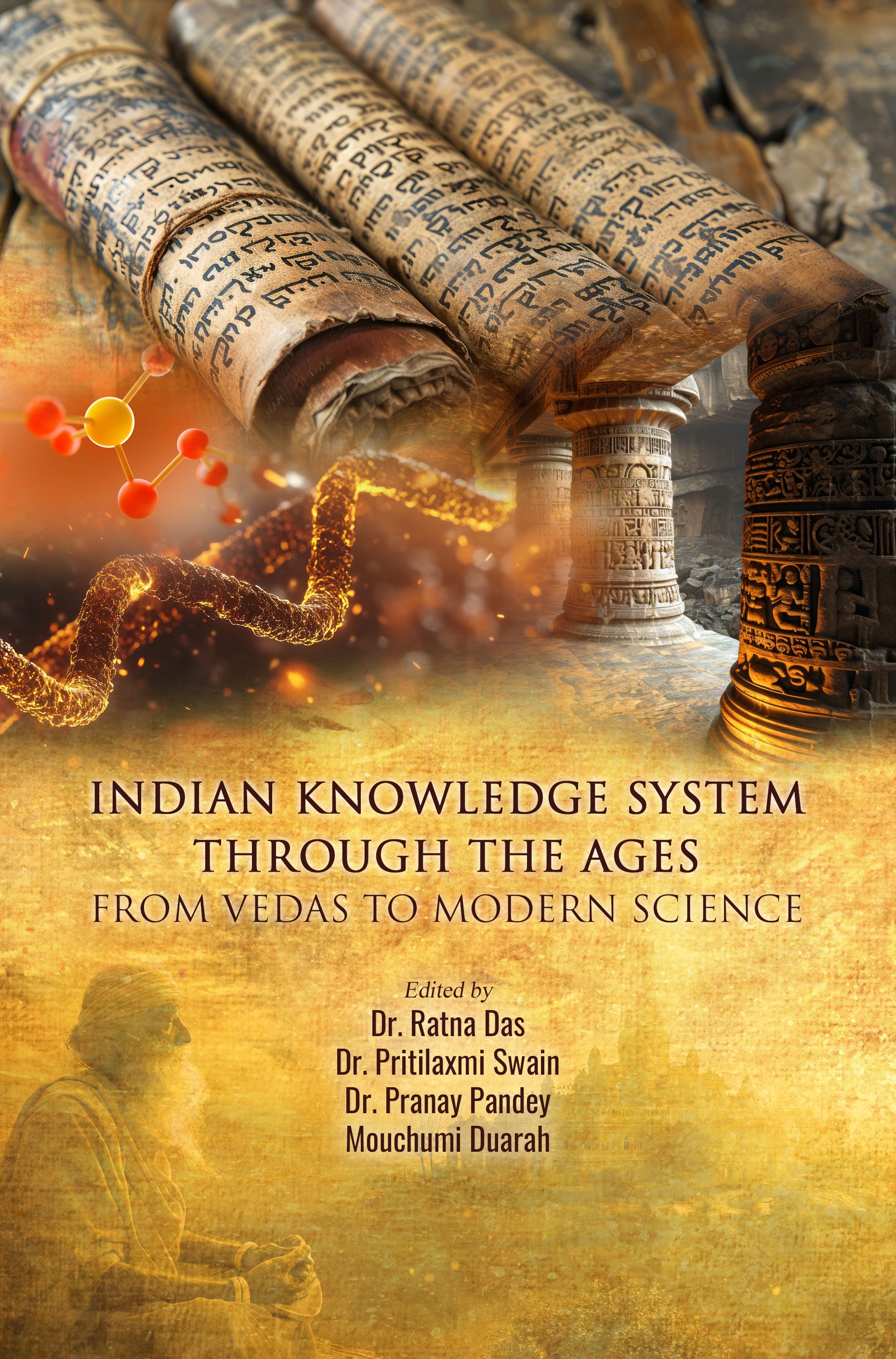
Published
2025-07-26
Issue
Section
Articles

