INTEGRATING ANCIENT WISDOM: INDIAN KNOWLEDGE SYSTEM IN MODERN HEALTH EDUCATION
DOI:
https://doi.org/10.25215/1105875024.20Abstract
Health education in India has undergone significant evolution, integrating traditional wisdom with modern scientific practices. Rooted in ancient Indian knowledge systems such as Ayurveda and yoga, health education has historically emphasised holistic well-being through a balance of physical, mental, and spiritual health. These traditional systems laid the groundwork for understanding health in a comprehensive manner, addressing not only disease prevention but also lifestyle management and wellness promotion. As India progressed through the colonial era and into independence, health education began to incorporate Western medical principles, creating a blend of indigenous and contemporary practices. This evolution has been crucial in addressing public health challenges, such as communicable diseases and nutritional deficiencies that have historically plagued the nation. In the 21st century, with the advent of global health crises and rising chronic diseases, the importance of health education has intensified. It serves as a vital tool for empowering individuals with knowledge about health practices, hygiene, nutrition, and mental well-being, fostering a culture of informed decision-making. Furthermore, the integration of technology and digital platforms in health education has the potential to reach diverse populations, ensuring accessibility and inclusivity. Ultimately, the evolution of health education within the Indian knowledge system reflects a dynamic interplay between tradition and modernity, underlining its critical role in promoting public health and advancing a more informed society.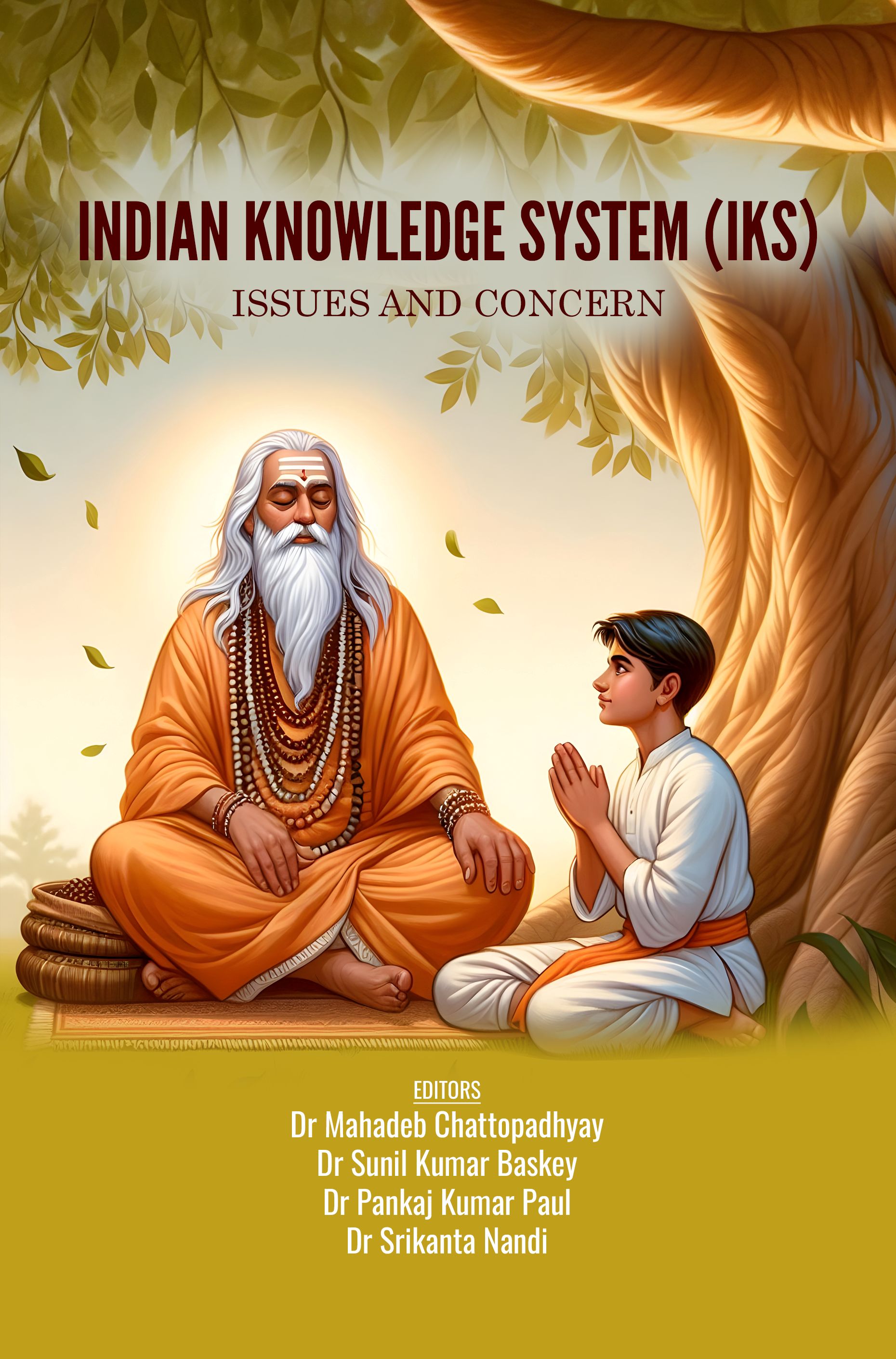
Published
2025-12-27
Issue
Section
Articles

