OCCUPATIONAL THERAPY IN THE MANAGEMENT OF CHRONIC PAIN AND RHEUMATOLOGICAL CONDITIONS
DOI:
https://doi.org/10.25215/1105639975.11Abstract
Chronic pain and rheumatology are major contributors to lifelong disabilities, participation restrictions, and diminished quality of living. Rheumatoid arthritis, osteoarthritis, fibromyalgia, low back pain, among others, are all commonly accompanied with pain, fatigue, stiffness, diminished functioning, or psychosocial sequelae. Occupational therapy practice emerges as the most salient intervention task because of the multifaceted demands that are placed on clients with rheumatic conditions, the focus on occupation, self-management, or participation in general living activities. This chapter, while introducing the reader to the inevitability of the multifaceted demands that are placed on clients with rheumatic conditions, attempts a synthesis on the intervention strategies used in the management of clients with chronic pain or rheumatic conditions via the underlying practice theories that are utilizable or are supported via the realms of pain science or rehabilitation practice theories. Unlike existing intervention-based clinical practice theories that focus on the physical, cognitive, or psychosocial—dimensional interventions that are used to address the needs or the problems that are inherent with clients with rheumatic conditions, the focus here addresses the conceptual level interventions that are used or are salient in such cases.Current evidence supporting occupational therapy interventions is critically discussed, along with clinical implications and limitations. The chapter underscores the importance of individualized, occupation-based, and self-management-focused interventions in promoting functional independence, pain coping, and sustained participation in everyday life for individuals living with chronic pain and rheumatological conditions.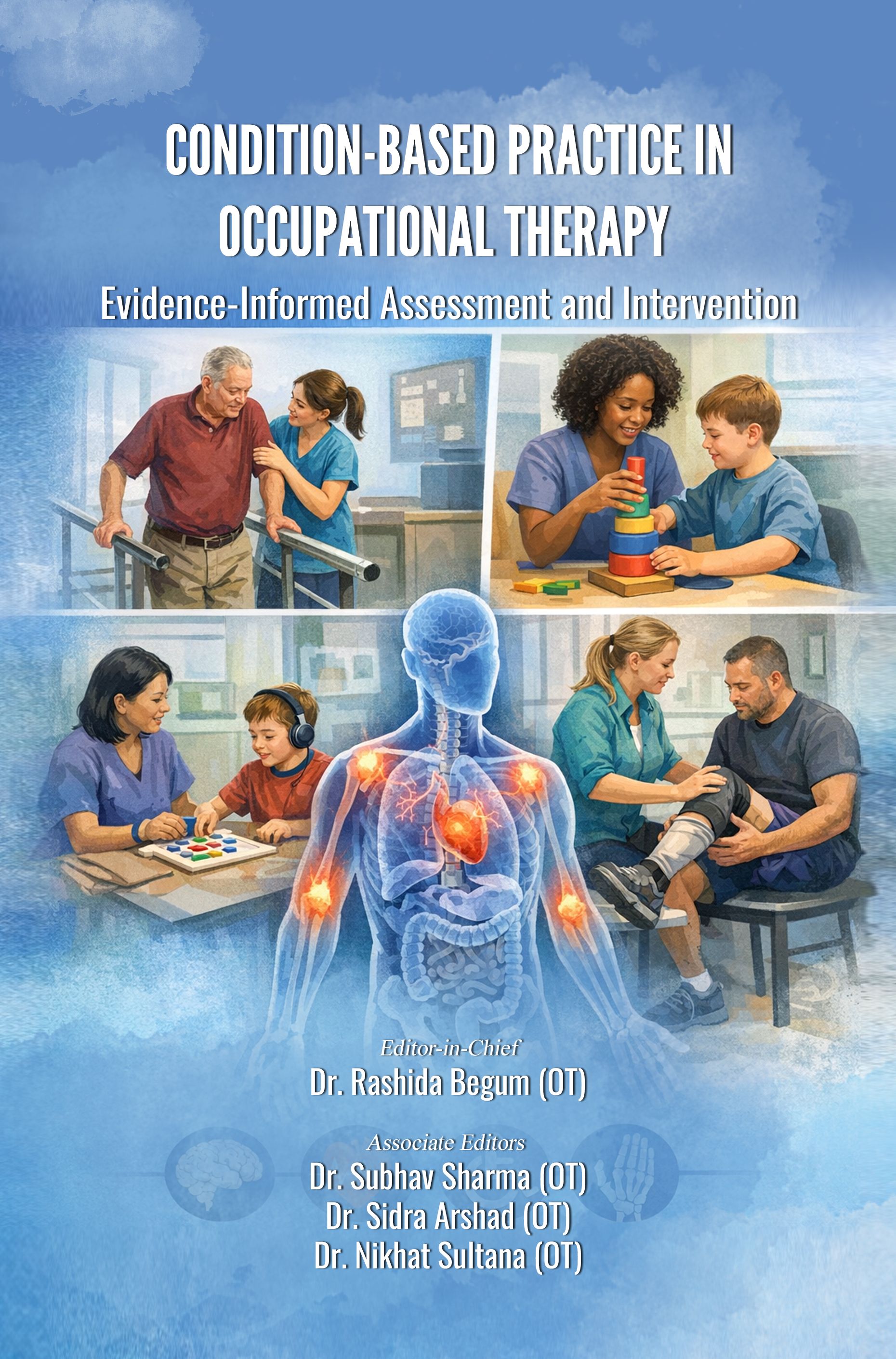
Published
2026-02-02
Issue
Section
Articles

