SUBSTANCE USE DISORDERS AND OCCUPATIONAL DISRUPTION: REHABILITATION AND COMMUNITY REINTEGRATION
DOI:
https://doi.org/10.25215/1105639975.14Abstract
Substance use disorders (SUDs) are associated with persistent occupational dysfunctions, which disrupt daily routines, role performance, social participation, and engagement in meaningful activities of daily living. Beyond neurobiological effects, substance use reorganizes occupational identity, competence and occupational patterns, resulting in long-term functional impairment. Occupational therapy (OT) addresses these disruptions across the continuum of care. This chapter provides a comprehensive overview of occupational dysfunction associated with substance use disorders and synthesizes recent evidence on occupational assessment and intervention strategies. In this chapter key occupation-based assessment tools are reviewed, highlighting their usefulness in evaluating participation, cognition, psychosocial functioning, and vocational readiness; and evidence-informed occupational therapy interventions are discussed. Particular emphasis is placed on the Indian context, examining rehabilitation needs, service delivery challenges, and emerging occupational therapy practices within de-addiction and mental health settings. The chapter underscores the potential of occupational therapy to support recovery, community reintegration, and sustained participation, while also identifying gaps in research, training, and service integration that warrant further development.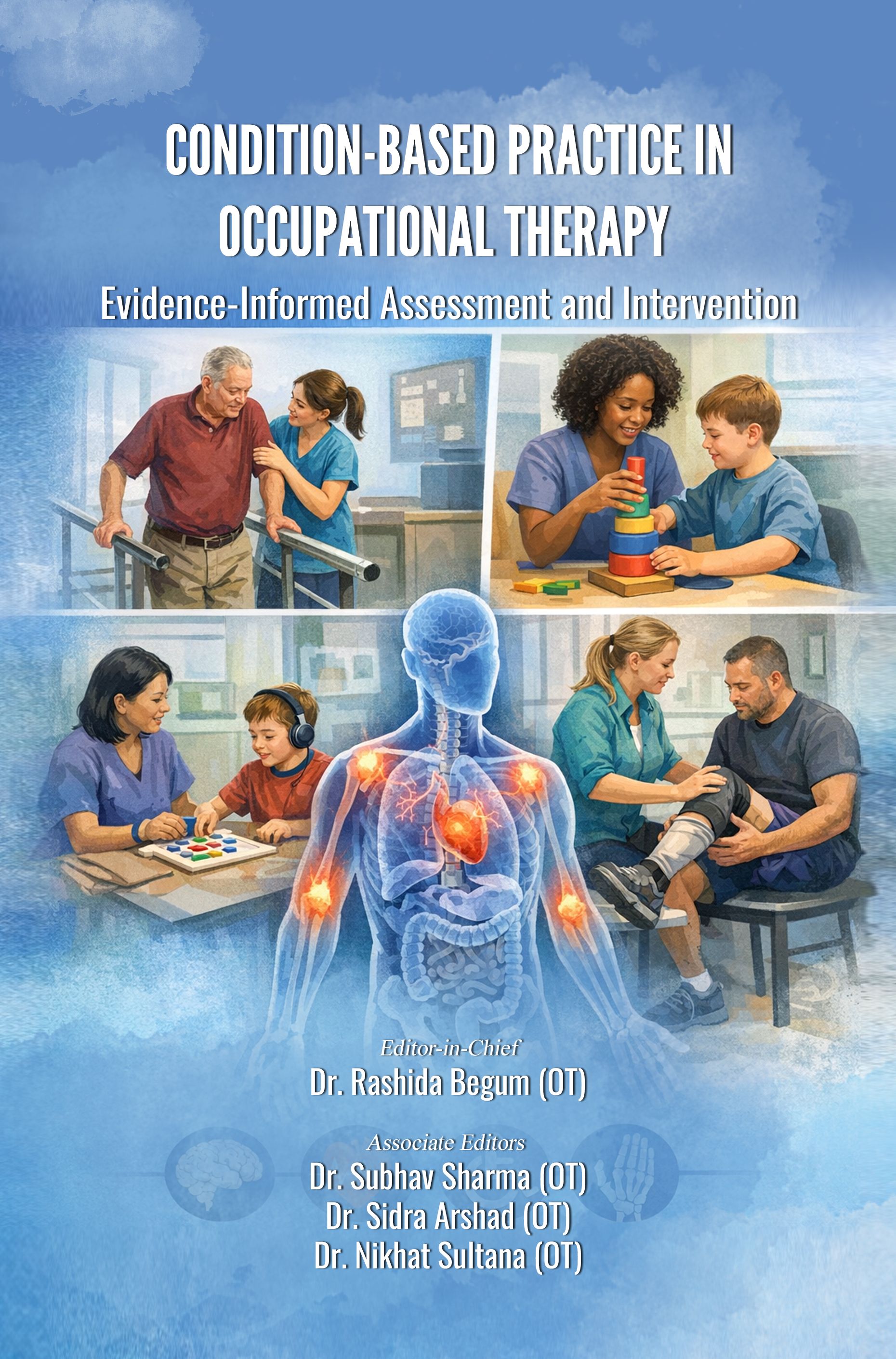
Published
2026-02-02
Issue
Section
Articles

