WATER MANAGEMENT SYSTEMS IN ANCIENT INDIA: PHILOSOPHY, TECHNOLOGY, AND LEGACY
DOI:
https://doi.org/10.25215/9141002229.19Abstract
This chapter presents a comprehensive analysis of ancient India’s water management systems which is examining their deep integration with philosophical thought, technological innovation and sociocultural structures. It argues that ancient Indian civilization developed a uniquely holistic approach to hydrology.It viewed water not merely as a physical resource but as a sacred ecological and social entity. The analysis traces the evolution of this approach from the Harappan civilization's engineered urban water systems to the sophisticated hydraulic technologies and state-sponsored infrastructure of the Mauryan and Gupta periods. It explores the philosophical and religious foundations, particularly the concept of jala-dāna (the gift of water), and how they informed community-based systems like stepwells and village tanks. Technologically, the chapter details the advancements in rainwater harvesting, irrigation canals, reservoir construction, and groundwater management. Finally, it assesses the lasting legacy of these systems, contending that the principles of decentralized management, ecological integration, and community stewardship offer critical insights for addressing contemporary global water challenges. The chapter synthesizes archaeological, textual, and architectural evidence to reconstruct the sophistication and sustainability of this ancient hydro-civilization.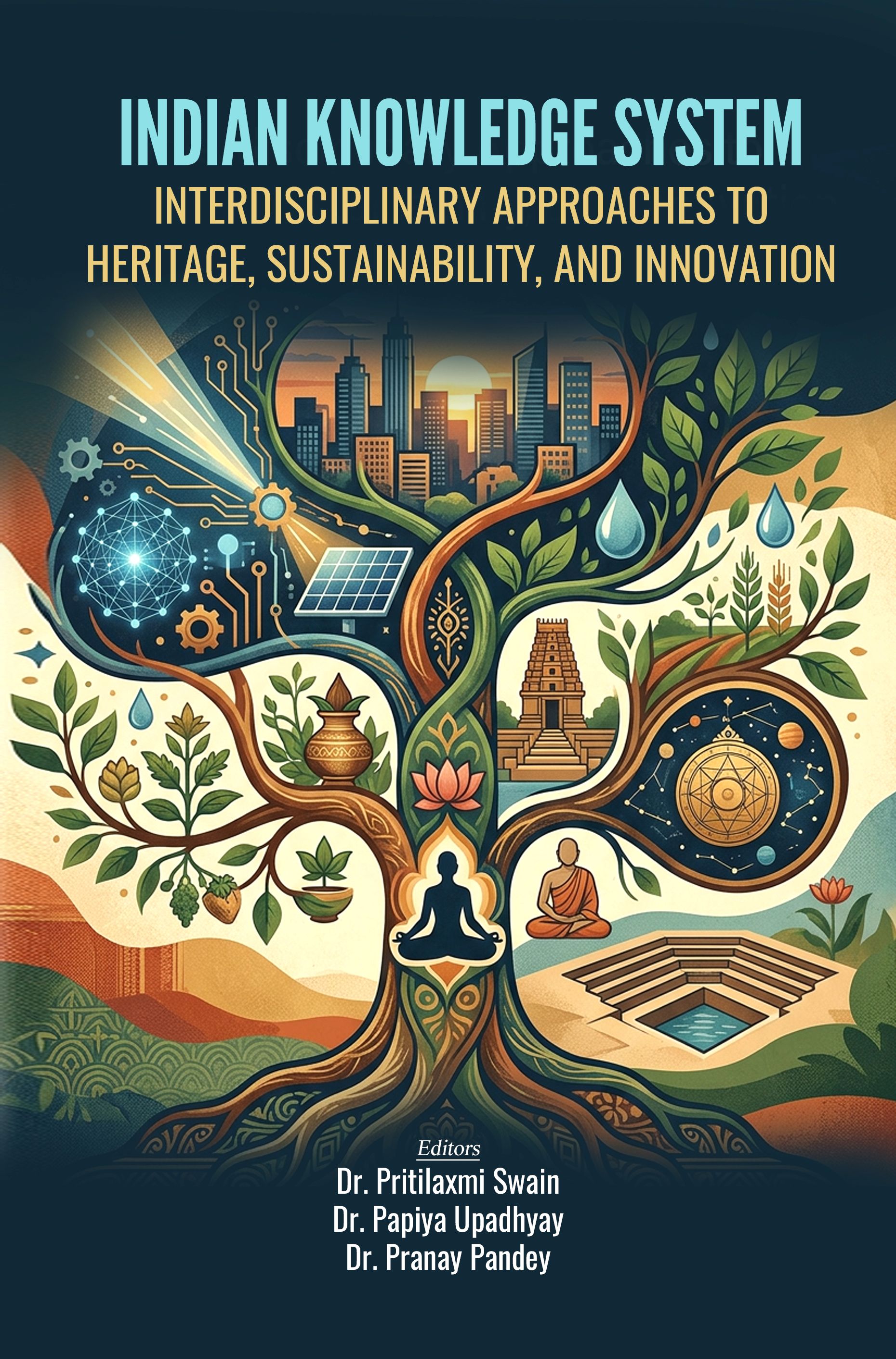
Published
2026-02-20
Issue
Section
Articles

