ETERNAL ARCHIVE: BRIDGING THE INDIAN KNOWLEDGE SYSTEM (IKS) AND MODERN LIBRARY SCIENCE
DOI:
https://doi.org/10.25215/9141002229.24Abstract
In the wake of the National Education Policy (NEP) 2020, India’s academic landscape is witnessing a paradigm shift toward the reintegration of the Indian Knowledge System (IKS). As the primary custodians of intellectual heritage, libraries in Government Degree Colleges serve as the vital link between ancient wisdom and modern inquiry. This article examines the profound symbiotic relationship between traditional Indian modes of knowledge organization and the contemporary principles of Library and Information Science (LIS). The discourse begins with a comprehensive literature review, tracing the evolution of scholarship from the foundational "Five Laws" of Dr. S.R. Ranganathan—whose work remains deeply rooted in Indian logic—to the sophisticated methodologies of contemporary digital archivists. By analysing the philosophical underpinnings of classification found in ancient scriptures, such as the Nyaya and Vaisheshika schools, the article illustrates how indigenous epistemology prefigured modern faceted classification. Furthermore, it outlines a strategic roadmap for college libraries to lead the charge in preserving, digitizing, and disseminating IKS through the creation of specialized repositories and digital ontologies. Ultimately, the paper argues that the modernization of the Indian library is not merely a technical upgrade but a restorative journey toward cognitive justice and intellectual decolonization.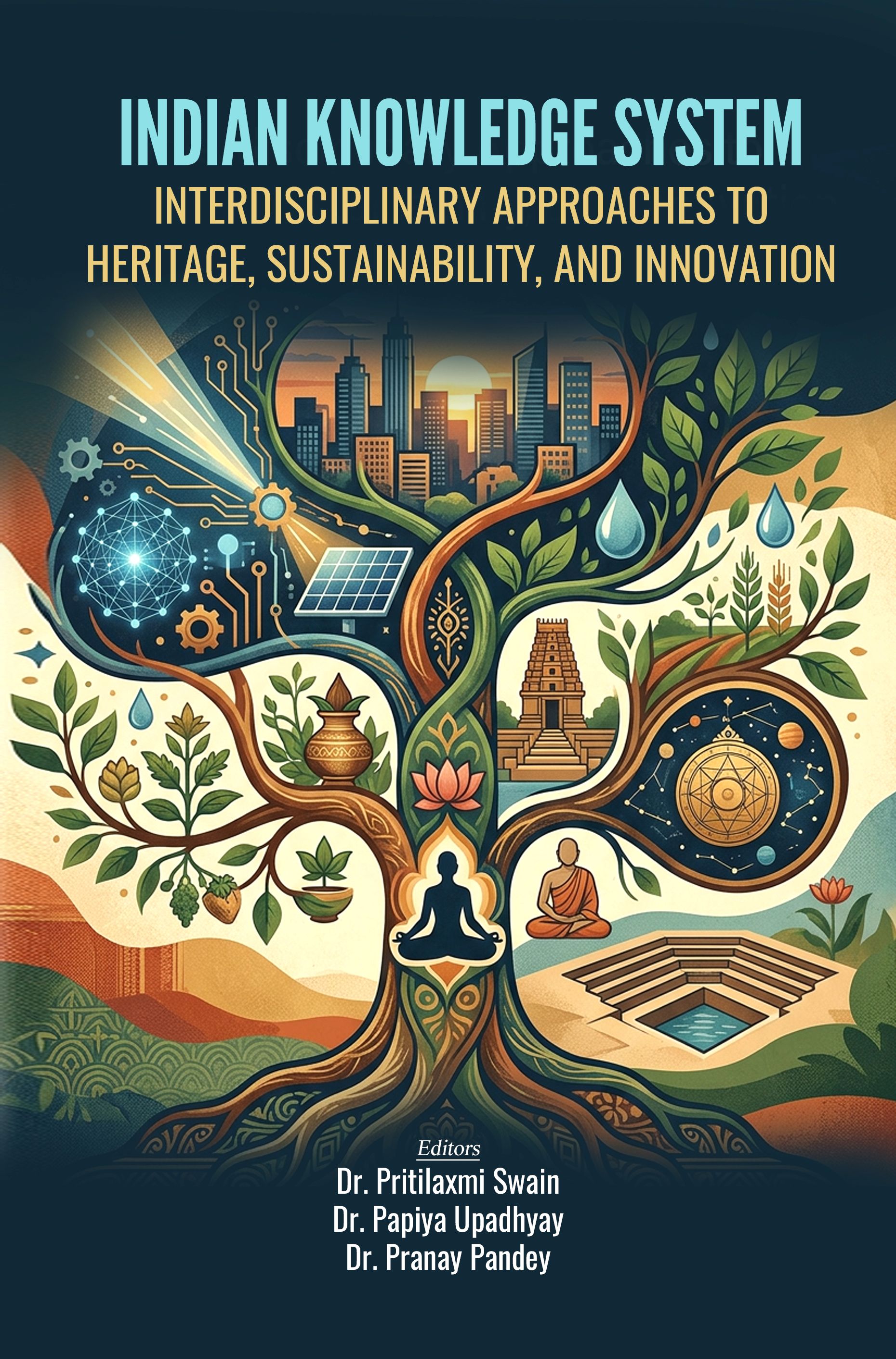
Published
2026-02-20
Issue
Section
Articles

