TRADITION TO TRANSFORMATION: SUSTAINABLE PEDAGOGICAL PRACTICES FOR HOLISTIC DEVELOPMENT
DOI:
https://doi.org/10.25215/9141002229.25Abstract
The increasing ecological, social and ethical crisis of the 21st century calls out a revolutionary change in educational practices. The article offers the perspective on how the combination of traditional knowledge systems and new innovative approaches can be employed to develop students in a comprehensive manner. Sustainable pedagogy is a pedagogy that goes further to teach through content delivery by teaching critical thinking, ethical reasoning, environmental awareness and social emotional competence. This paper explores the way in which traditional educational philosophies can be re-articulated to meet the modern global demands by drawing on indigenous knowledge systems, value-based education, experiential learning, and interdisciplinary approaches. The study points out that sustainable pedagogy involves the practices based on collaboration, reflection, community-based involvement and practical problem solving. These practices are the key factors of the holistic development models that strengthen the cognitive, affective, social, moral, and spiritual aspects of the learners. Creating a connection between the past and future, cultural heritage and modern innovation, also integrating project-based learning, STEM, and reflective inquiry, education is turned into a transformative experience, as opposed to a transactional mode of operation. Finally, this paper proposes a paradigm shift in the way teachers need to be trained, the curriculum should be designed and modify assessment policies to incorporate sustainability concepts in the diverse disciplines.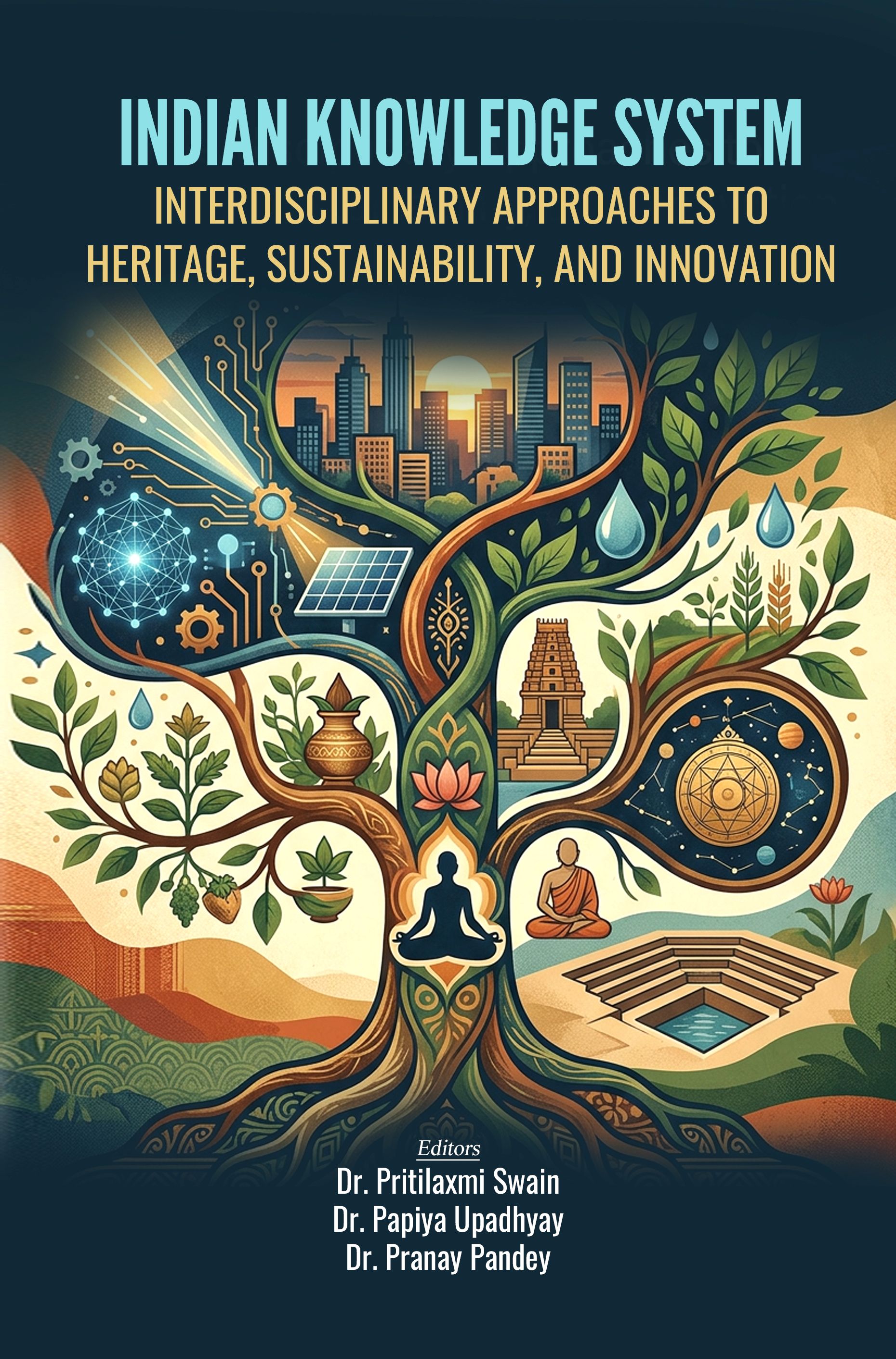
Published
2026-02-20
Issue
Section
Articles

