INTERDISCIPLINARY APPROACHES TO EDUCATIONAL ASSESSMENT
DOI:
https://doi.org/10.25215/1105459691.18Abstract
Educational assessment plays a crucial role in shaping students’ learning outcomes, guiding institutional policies, and supporting individual development. Traditional psychometric approaches have long been valued for their precision in measurement; however, they often fall short in capturing the complex and multidimensional nature of human learning across diverse socio-cultural contexts. This chapter explores interdisciplinary approaches to educational assessment by integrating perspectives from psychology, cognitive neuroscience, sociocultural theory, and educational measurement. It highlights how recent advances in cognitive science and neuroimaging contribute to the development of assessment methods that account for individual differences in working memory, executive functioning, and metacognitive abilities. In addition, the chapter examines sociocultural perspectives that view assessment within broader ecological systems, including family, community, and institutional environments. Alternative assessment practices such as formative assessment, dynamic assessment, and portfolio-based evaluation are discussed as learner-centered approaches that emphasize growth rather than mere ranking. The chapter also addresses concerns related to equity in high-stakes testing and advocates for culturally responsive and inclusive assessment frameworks suited to contemporary educational needs.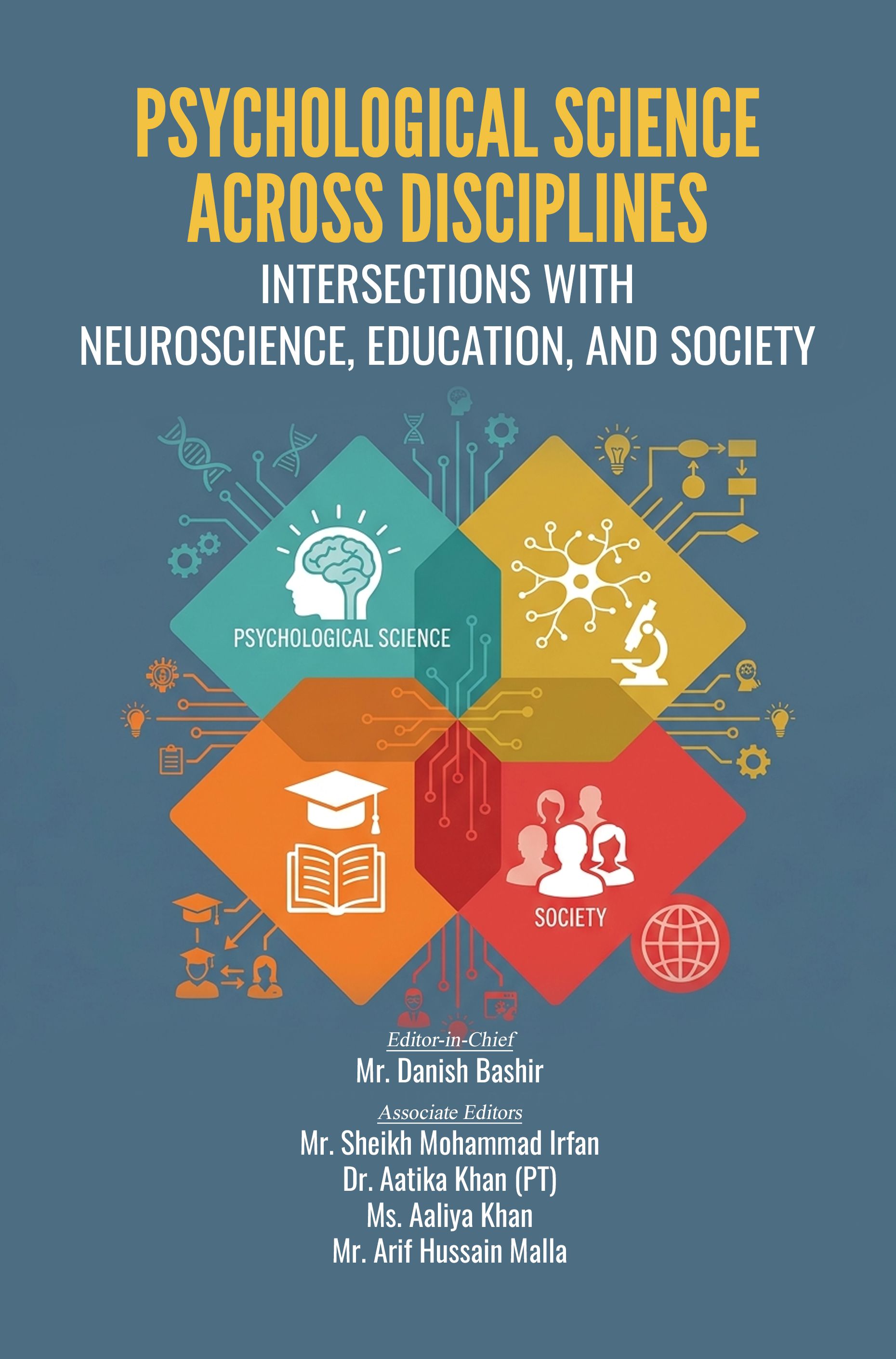
Published
2026-03-07
Issue
Section
Articles

