PHILOSOPHY OF EDUCATION IN ANCIENT INDIA AND ITS RELEVANCE: FROM GURUKUL TO GLOBAL WISDOM
DOI:
https://doi.org/10.25215/1105488578.10Abstract
Early in the 20th century, philosophy of education became its own academic discipline within philosophy. In terms of metaphysics, epistemology, and axiology, a number of approaches to the philosophy of education have provided the fundamental philosophical presuppositions or assumptions of each philosophical system, including idealism, pragmatism, and realism. Philosophy has always been thought of as the acquisition of wisdom that, when taken seriously, changes life. This declaration of philosophical ideas is followed by a discussion of the nature, substance, and other aspects that are relevant to education, as well as the consequences of these viewpoints for educational goals.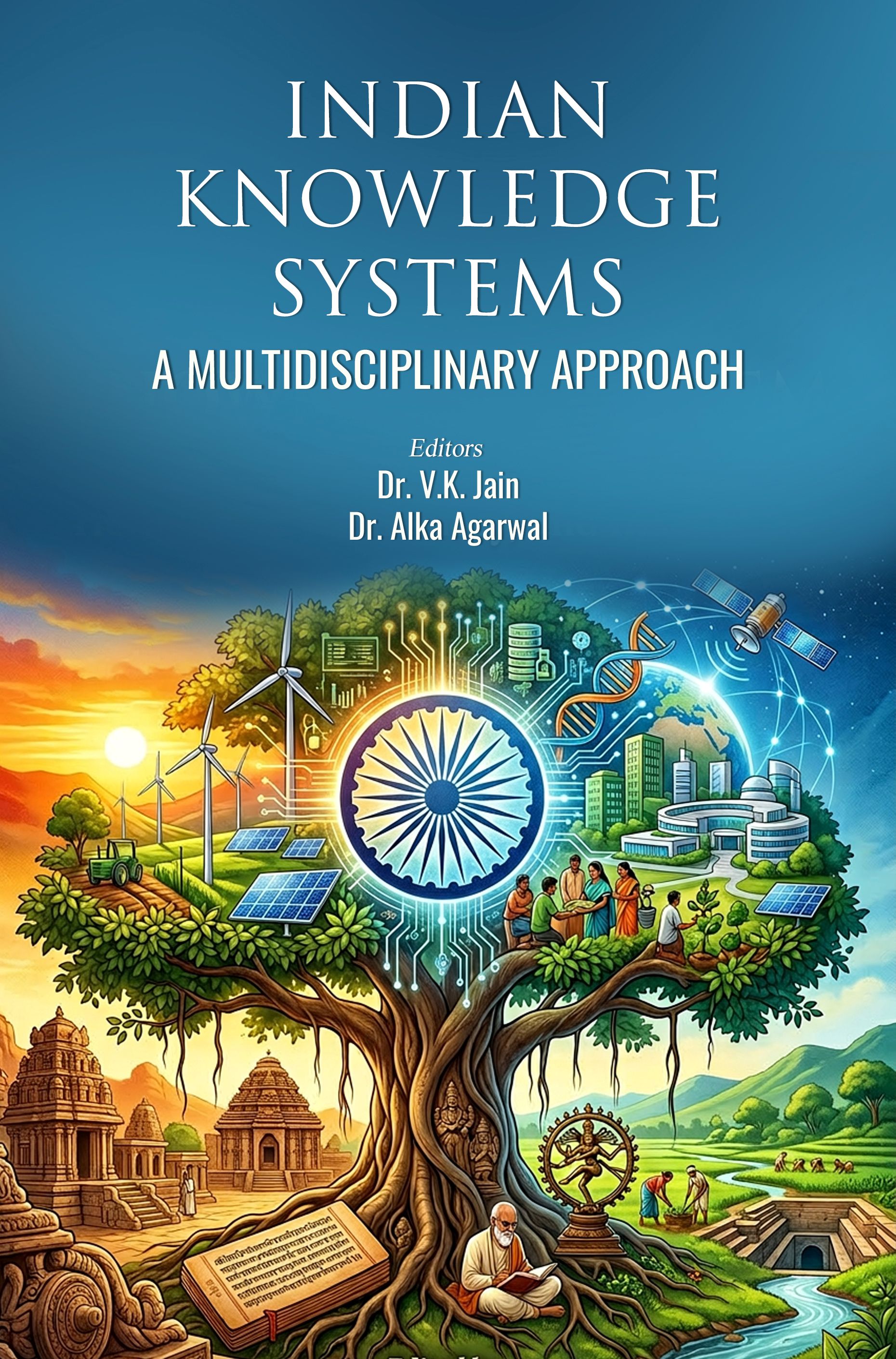
Published
2026-03-17
Issue
Section
Articles