THERAPEUTIC USE OF PLAY IN PEDIATRIC REHABILITATION: AN OCCUPATIONAL THERAPY PERSPECTIVE
DOI:
https://doi.org/10.25215/1105276171.13Abstract
Play is considered the main occupational activity of childhood and a core therapeutic tool of occupational therapy in pediatrics. The effectiveness of play-based interventions in improving motor, cognitive, sensory, social, and emotional outcomes in a variety of pediatric neurodevelopmental and acquired conditions is supported by a considerable amount of evidence, such as randomized controlled trials (RCTs), systematic reviews, and meta-analyses released between 2018 and 2026. This chapter is critical and far-reaching in its synthesis that begins with major conceptual backgrounds and neurobiological processes involved in therapeutic play. It subsequently examines the psychometric assessment strategies and evidence-based clinical uses, citing models like Ayers Sensory Integration (ASI), the Model of Human Occupation (MOHO), Cognitive Orientation to Daily Occupational Performance (CO-OP), and the dynamic systems theory to frame play within the context of modern neurorehabilitation science. The discussion covers two aspects of play as a form of therapy and developmental goal. New translational technologies, such as virtual reality (VR), augmented reality (AR), gaming with biofeedback, and robot-assisted play, are critically reviewed regarding clinical use and implementation issues. Also covered in the chapter are cultural competency, contextual enablers and barriers, family-centered practice and methodological limitations of current research. Lastly, it comes with practical frameworks, validated outcome measures and clinical decision-making models to assist in the evidence-based integration of play in occupational therapy among different pediatric populations.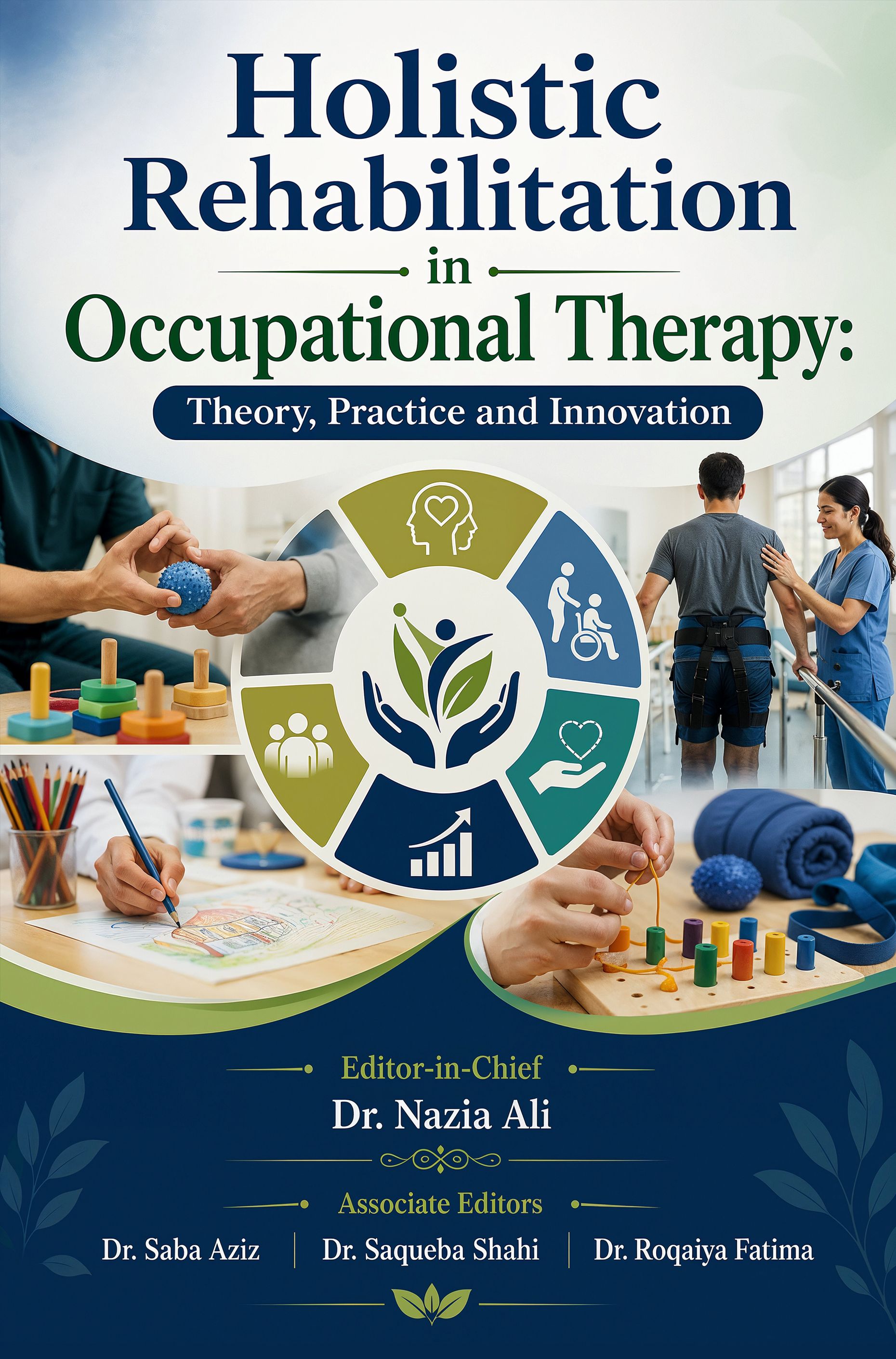
Published
2026-05-15
Issue
Section
Articles

