MONEY, MARKETS AND MANKIND: THE INTERSECTION OF BANKING, FINANCE AND SUSTAINABLE DEVELOPMENT
DOI:
https://doi.org/10.25215/9141002121.33Abstract
Financial institutions have long been treated as passive intermediaries, yet every credit decision, regulatory stance, and capital allocation shapes the material possibilities of human development. This chapter examines how banking and financial systems function as structural enablers — or inhibitors — of sustainable development. It argues that the perceived separation between financial performance and developmental outcomes is no longer defensible: climate exposure is portfolio risk, social instability is systemic risk, and ecological degradation destroys the natural capital that underwrites productive economies. Drawing on green finance regulation, ESG integration, blended finance architecture, and environmental risk disclosure, the chapter analyses how incentive frameworks can be realigned toward equitable, long-term outcomes. Special attention is given to the particular vulnerabilities of emerging economy financial systems, where developmental imperatives are sharpest yet capital access remains most constrained. The chapter closes by advancing a policy agenda for governments, regulators, and financial institutions to build a sustainable finance ecosystem that treats human welfare not as an externality, but as the foundational purpose of money and markets.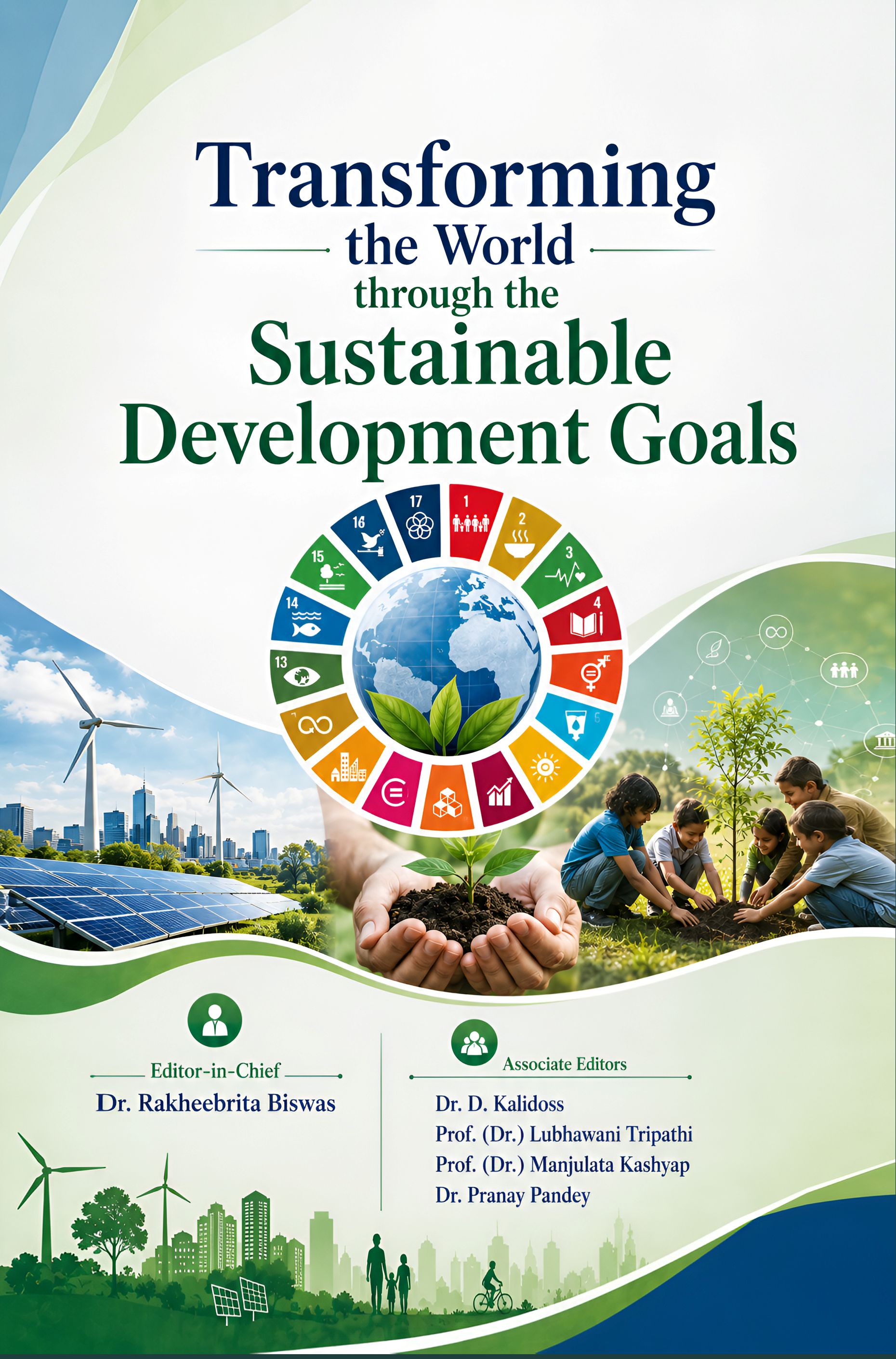
Published
2026-06-02
Issue
Section
Articles