CODING FOR A SUSTAINABLE FUTURE: CLINICAL CODING SYSTEMS (ICD, SNOMED CT, CPT) AND THE SUSTAINABLE DEVELOPMENT GOALS
DOI:
https://doi.org/10.25215/9141002121.35Abstract
Clinical coding systems constitute the foundational infrastructure upon which modern healthcare documentation, research, billing, and policy rest. This chapter examines the historical development and contemporary significance of three dominant classification frameworks: the International Classification of Diseases (ICD), Systematized Nomenclature of Medicine Clinical Terms (SNOMED CT), and Current Procedural Terminology (CPT). Beginning with William Farr's nineteenth-century nosological work and tracing through the World Health Organization's iterative expansions to ICD-11, the discussion establishes how diagnostic coding evolved from a mortality-counting exercise into a multidimensional clinical language. SNOMED CT's emergence as a reference terminology that supports semantic interoperability is examined alongside CPT's role in procedural documentation within fee-for-service reimbursement models. The chapter further explores how these three systems interact within electronic health records, often requiring mapping tables and interface terminologies to bridge conceptual gaps. A dedicated section on the United Nations Sustainable Development Goals (SDGs) demonstrates how robust clinical coding directly enables progress towards SDG 3 (Good Health and Well-Being) and related goals concerning equity, innovation, and global partnership. Emerging challenges—including natural language processing integration, clinical decision support, and global harmonization—are addressed in the context of precision medicine demands. Taken together, the three coding systems form a complementary ecosystem that continues to shape how clinicians communicate, administrators reimburse, and researchers generate evidence in service of sustainable global health.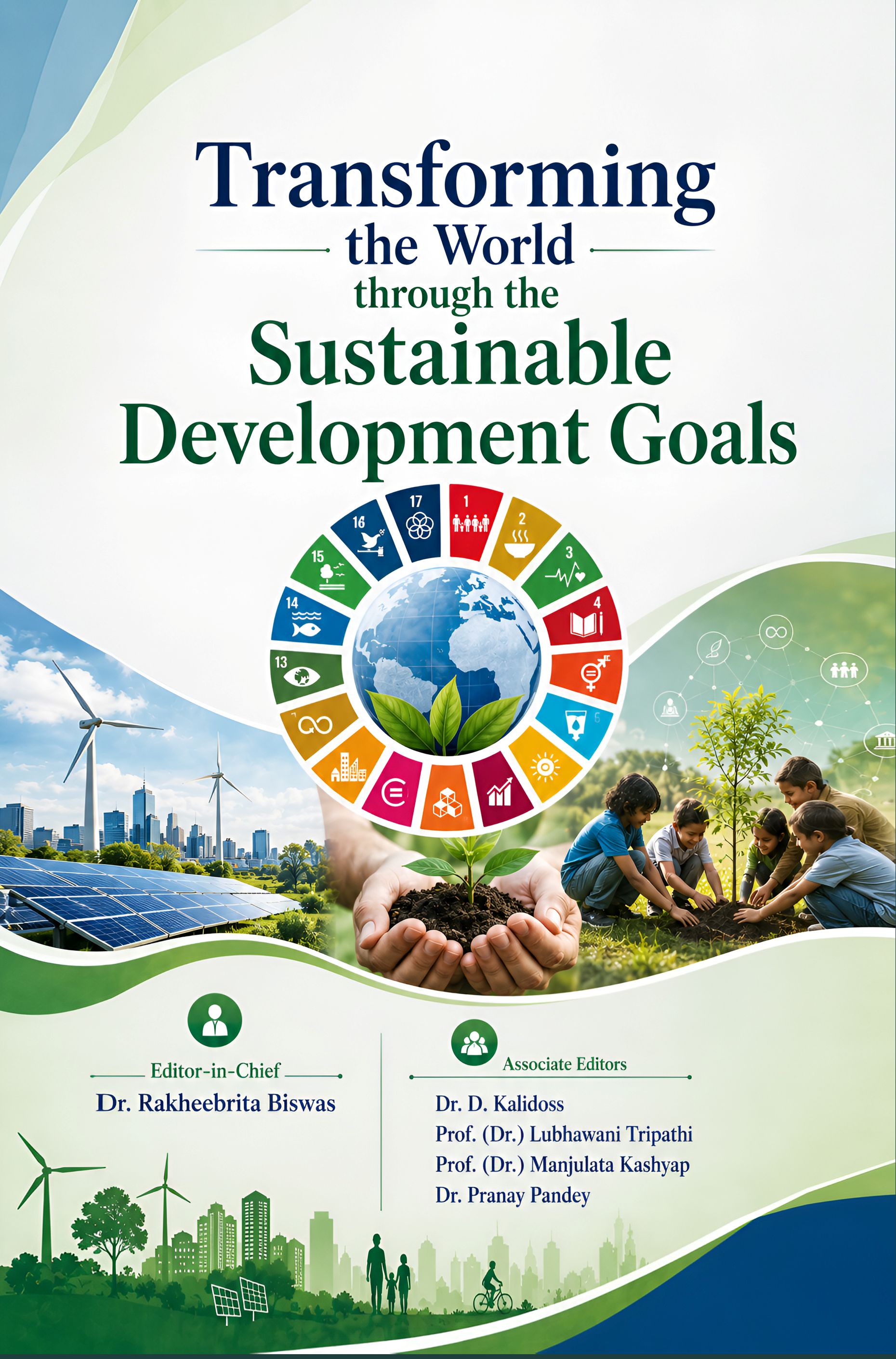
Published
2026-06-02
Issue
Section
Articles

