INDIGENOUS TRADITION KNOWLEDGE OF SANTALS IN AGRICULTURE
DOI:
https://doi.org/10.25215/1105436810.10Abstract
Indian knowledge traditions in agriculture represent a rich body of indigenous wisdom developed through long-term interaction between communities and the natural environment. Among the indigenous groups of eastern India, the Santal community possesses a well-developed system of traditional agricultural knowledge that reflects ecological sustainability and cultural continuity. This chapter examines the role of Indian knowledge traditions in agriculture with a particular focus on the agronomic practices, plant health management, pest control strategies, and seed management systems of the Adivasi-Santal community. Santal agriculture is characterized by rainfed rice cultivation, mixed cropping, organic soil fertility management, and the use of indigenous crop varieties adapted to local environmental conditions. Traditional practices such as seed selection, natural seed storage, botanical pest control, and the application of organic inputs contribute to soil health, biodiversity conservation, and climate resilience. Community-based labour systems and seasonal agricultural knowledge further strengthen social cohesion and ensure the timely completion of farming activities. The study highlights how indigenous agricultural practices align closely with modern principles of agroecology and sustainable farming. Documenting and integrating such traditional knowledge with contemporary agricultural science can contribute to the development of resilient and environmentally sustainable agricultural systems while preserving valuable indigenous heritage.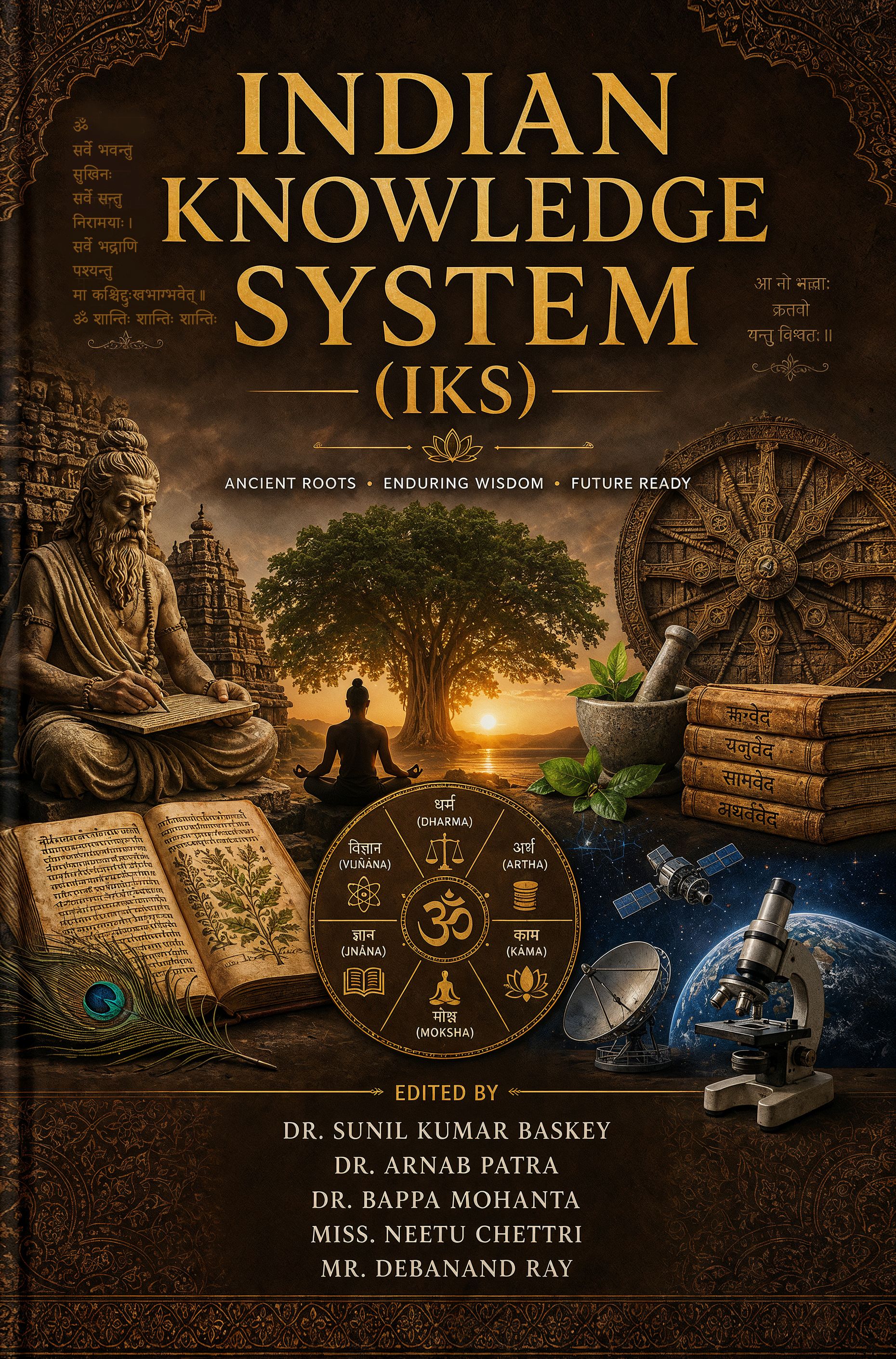
Published
2026-04-20
Issue
Section
Articles

