INDIAN KNOWLEDGE SYSTEM, HUMAN DIGNITY, AND VALUE-BASED EDUCATION: LEGAL AND EDUCATIONAL PERSPECTIVES
DOI:
https://doi.org/10.25215/1105436810.26Abstract
The Indian Knowledge System represents a civilizational legacy that integrates education with ethics, cultural wisdom, and social responsibility. Rooted in centuries of philosophical reflection and lived experience, it views learning as a holistic process that shapes intellect, character, and moral consciousness. Central to this tradition is the recognition of human dignity—the belief that every individual possesses inherent worth and deserves respect. Traditional Indian education emphasised discipline, compassion, and responsible conduct, principles that continue to resonate within modern constitutional values and contemporary educational reforms. In the present context, where education often prioritises competition and technical skill, revisiting indigenous knowledge traditions offers a pathway to restore balance between knowledge and values. This chapter explores the relationship between the Indian Knowledge System, human dignity, and value-based education from legal and pedagogical perspectives. It argues that integrating traditional wisdom with modern educational frameworks can foster inclusive learning environments, ethical awareness, and socially responsible citizenship.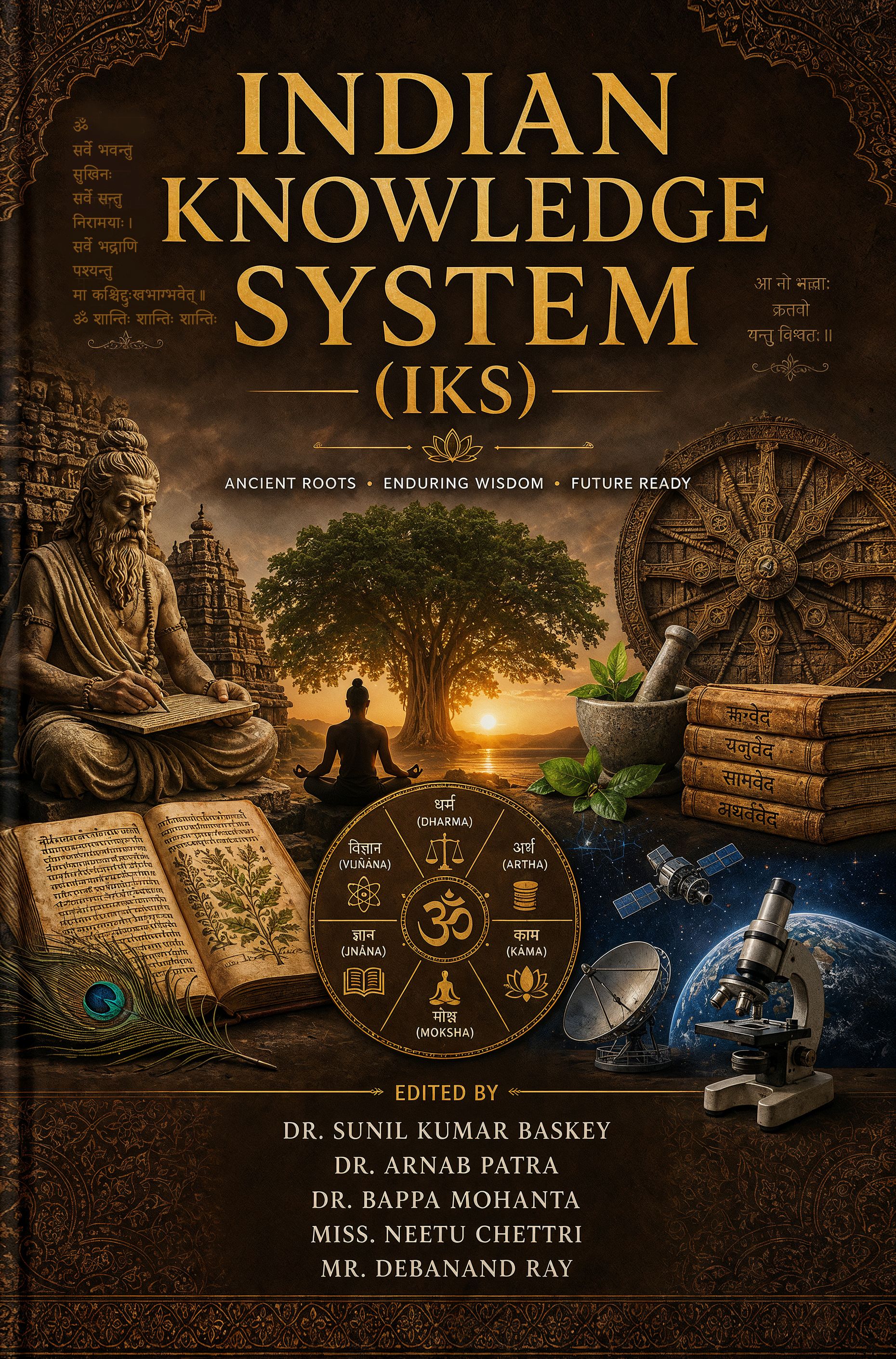
Published
2026-04-20
Issue
Section
Articles