INDIAN KNOWLEDGE TRADITION AND HISTORICAL LINKAGES BETWEEN ASSAM AND NORTH BENGAL (15TH–17TH CENTURY)
DOI:
https://doi.org/10.25215/1105436810.30Abstract
The Indian Knowledge System (IKS) represents one of the oldest continuous intellectual traditions in the world. Rooted in ancient scriptures, oral traditions, cultural practices, this system encompasses a wide range of disciplines including philosophy, religion, literature, art, and social thought. Unlike rigorous systems of knowledge, the Indian tradition developed continuously through interaction between regions, communities, and institutions. Knowledge was not limited to a single geographical location or any kind of particular place but moved through different context like pilgrims ,religious aspects etc. in this context the Assam and North Bengal played a vital role as this two regions share cultural and intellectual interaction ,so this connection made them important for exchange of ideas ,beliefs and practices .As we know that one of the key features of IKS traditions is their ability to connect and absorb or integrate regional influences.During the period between the 15th and 17th centuries, these interactions became particularly prominent. There was some reason behind this, in this period we saw major Political developments, religious movements, and literary exchanges contributed to the emergence of a shared knowledge tradition in this region. Therefore, this chapter tries to find the nature of Indian knowledge traditions and examine how historical linkages between Assam and North Bengal contributed to their development.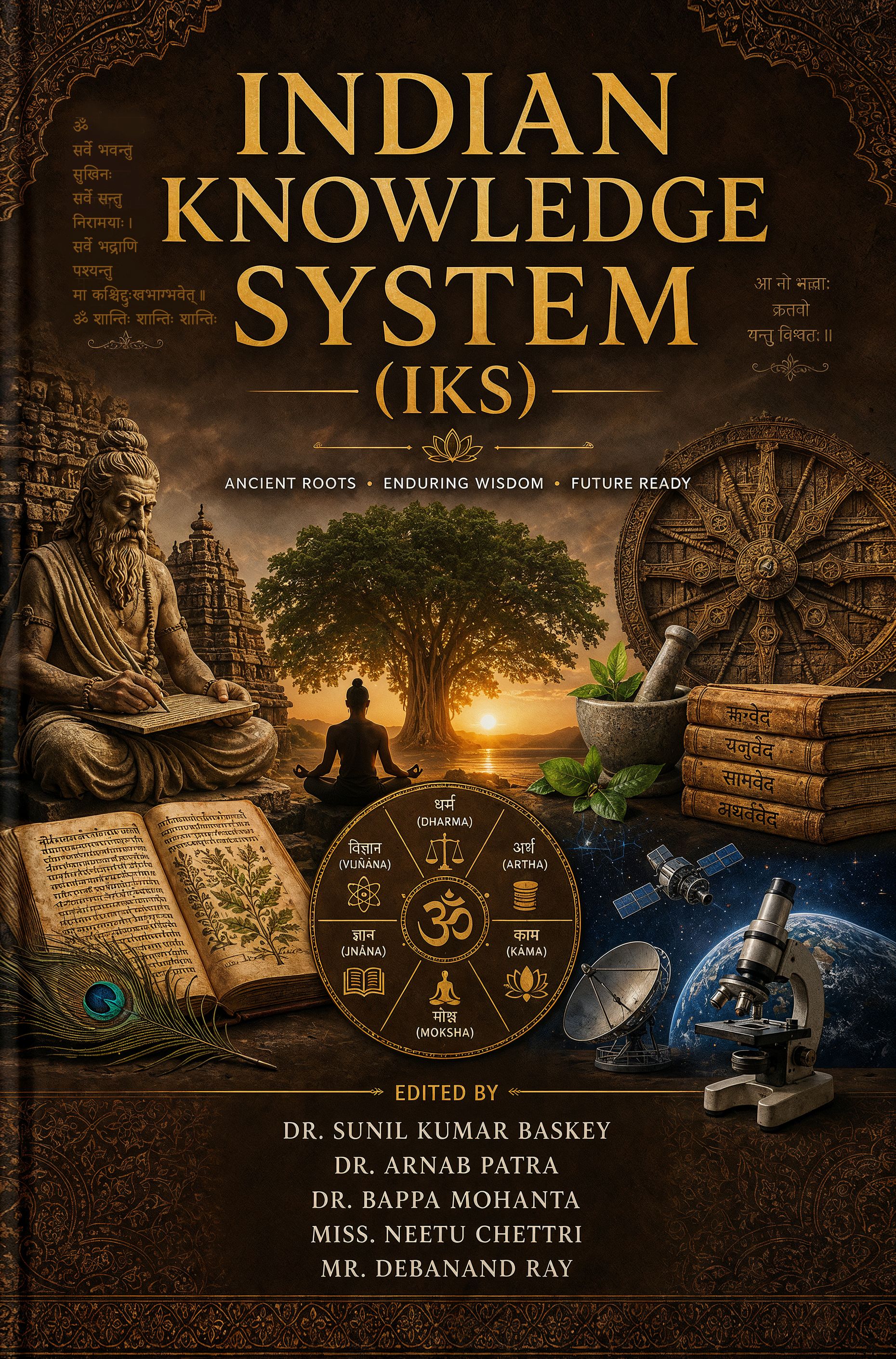
Published
2026-04-20
Issue
Section
Articles

