PURUSHARTHA AS THE GUIDING PRINCIPLE OF HUMAN LIFE AND CONDUCT
DOI:
https://doi.org/10.25215/1105436810.40Abstract
This study examines the origin and development of Indian philosophy with particular emphasis on the concept of Purushartha as the central framework of human life. Indian philosophical thought, rooted in the Vedas and the Upanishads, evolved through a unique process in which diverse philosophical systems coexisted and interacted with one another. Both Āstika and Nāstika traditions contributed to a rich and dynamic intellectual tradition, where philosophy served not merely as theoretical speculation but as a practical guide to life. The concept of Purushartha—comprising Dharma (righteousness), Artha (wealth), Kama (desire), and Moksha (liberation)—represents the fundamental aims of human existence. While Artha and Kama function as instrumental values, Dharma and Moksha are regarded as higher and intrinsic goals. Different philosophical schools interpret these aims in varied ways, particularly Moksha, which is understood as liberation from suffering or realization of the self. The study highlights the ethical dimension of Indian philosophy, emphasizing self-control, regulation of desires, and righteous conduct. Ultimately, Purushartha provides a comprehensive and balanced approach to human life, integrating material, moral, and spiritual values.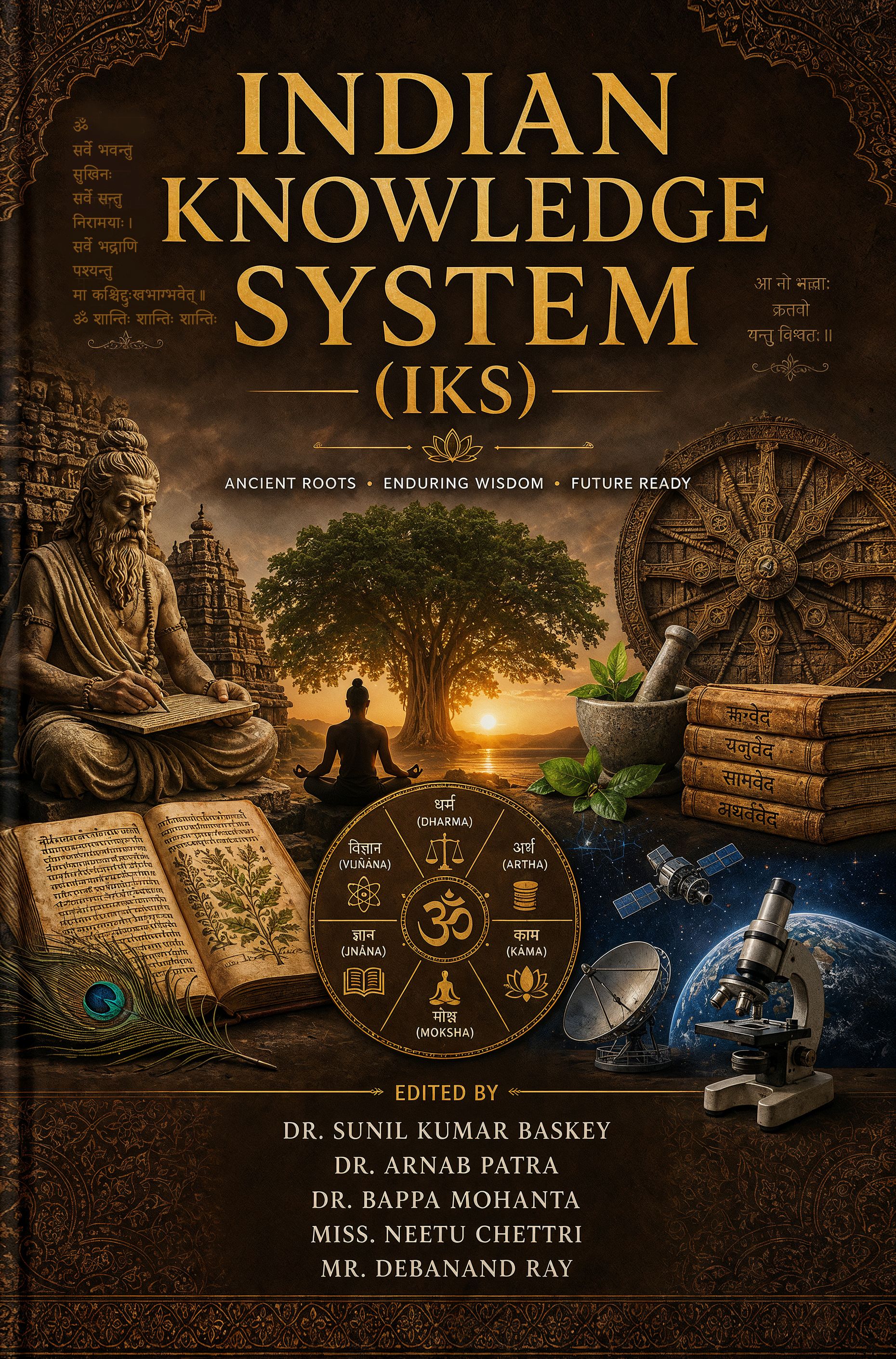
Published
2026-04-20
Issue
Section
Articles

