ACADEMIC LOAD AND PSYCHOLOGICAL WELL-BEING AMONG UNIVERSITY STUDENTS: A COMMUNITY PSYCHOLOGY PERSPECTIVE
DOI:
https://doi.org/10.25215/0557865247.20Abstract
Academic load has emerged as a significant concern in higher education due to its impact on students' academic performance, mental health, and overall well-being. Excessive academic demands, including assignments, examinations, projects, and continuous assessments, may contribute to stress, anxiety, burnout, and reduced life satisfaction among university students. The present review aims to examine the concept of academic load, its determinants, and its effects on students' psychological well-being and academic outcomes. A narrative review methodology was adopted by synthesizing evidence from peer-reviewed journal articles, books, and scholarly reports retrieved from databases such as Google Scholar, Scopus, Web of Science, PubMed, ERIC, and PsycINFO. The reviewed literature indicates that while a moderate academic workload promotes learning, skill development, and academic achievement, excessive academic load adversely affects students' motivation, emotional well-being, and academic performance. The review also highlights the importance of coping strategies, institutional support, and balanced curriculum planning in minimizing the negative effects of academic workload. Overall, the findings emphasize the need for higher educational institutions to adopt student-centred approaches that balance academic expectations with students' psychological health. The review provides valuable insights for educators, policymakers, and researchers in designing interventions that promote both academic excellence and student well-being.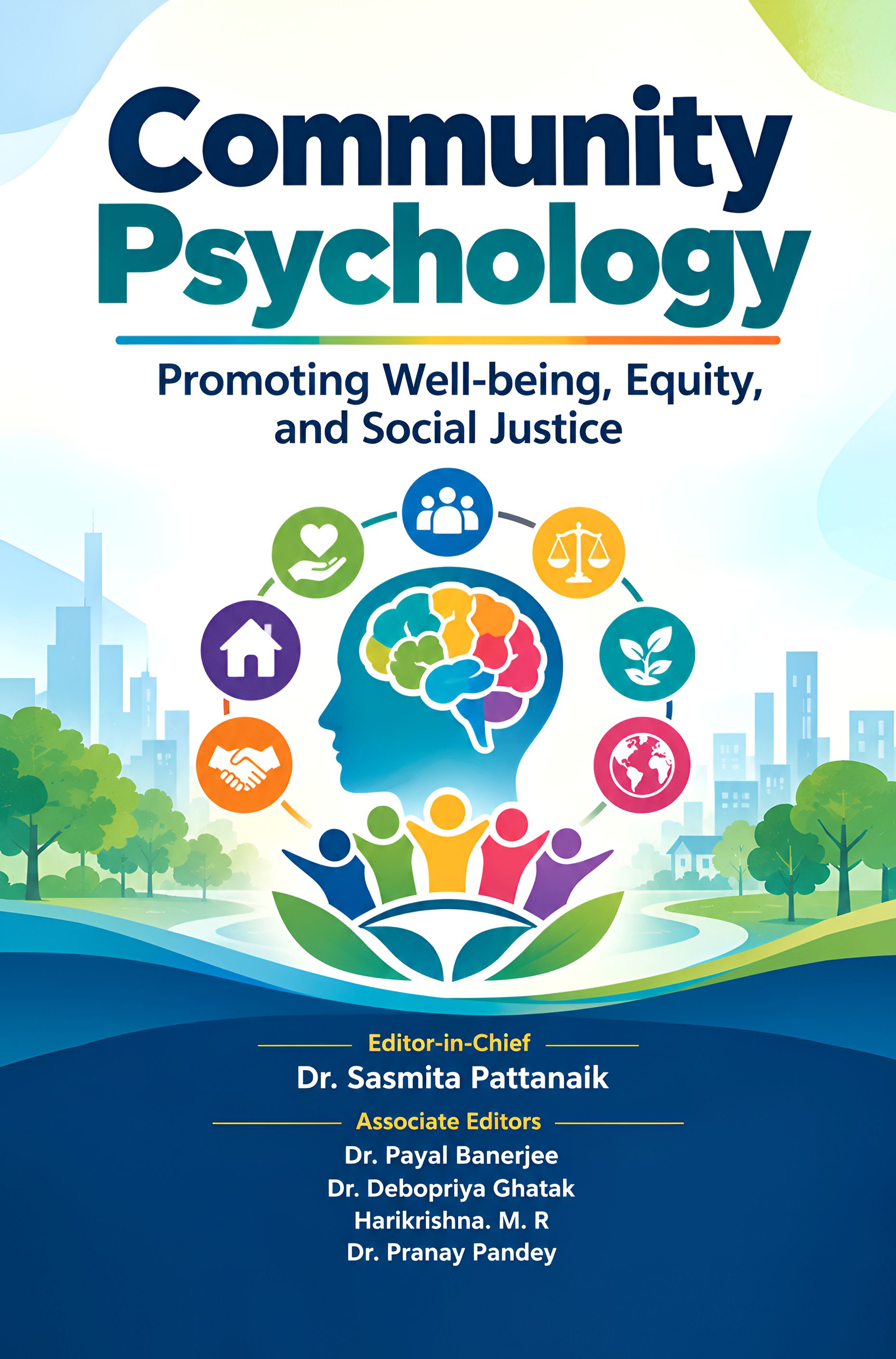
Published
2026-09-03
Issue
Section
Articles