REIMAGINING COMMUNITY MENTAL HEALTH IN THE AI ERA: OPPORTUNITIES, CHALLENGES AND ETHICAL RESPONSIBILITIES
DOI:
https://doi.org/10.25215/0557865247.45Abstract
Community mental health has evolved from a service-oriented approach focused on treating mental illness to a comprehensive framework that emphasizes prevention, recovery, social inclusion, and community participation. In the era of Artificial Intelligence (AI), rapid technological innovations have created new opportunities to transform the way mental health services are delivered, monitored, and evaluated. AI-powered applications such as predictive analytics, conversational agents, digital mental health platforms, sentiment analysis, and personalized intervention systems have the potential toimprove accessibility, reduce service gaps, and promote early identification of psychological distress. However, integrating AI into community mental health also introduces significant ethical concerns, including privacy protection, algorithmic bias, informed consent, cultural sensitivity, digital inequality, and accountability.This chapter explores the changing landscape of community mental health within the context of technological advancement and community psychology. It discusses theevolution of community mental health, the importance of population-based approaches, and the role of AI in strengthening prevention, intervention, and rehabilitation services. The chapter further examines ethical responsibilities associated with AI implementation and proposes a human-centered framework that combines technological innovation withcommunity participation, cultural competence, and social justice. By integrating psychological theory, public health principles, and digital innovation, the chapter argues that AI should complementnot replace human relationships in promoting mental well-being across diverse communities.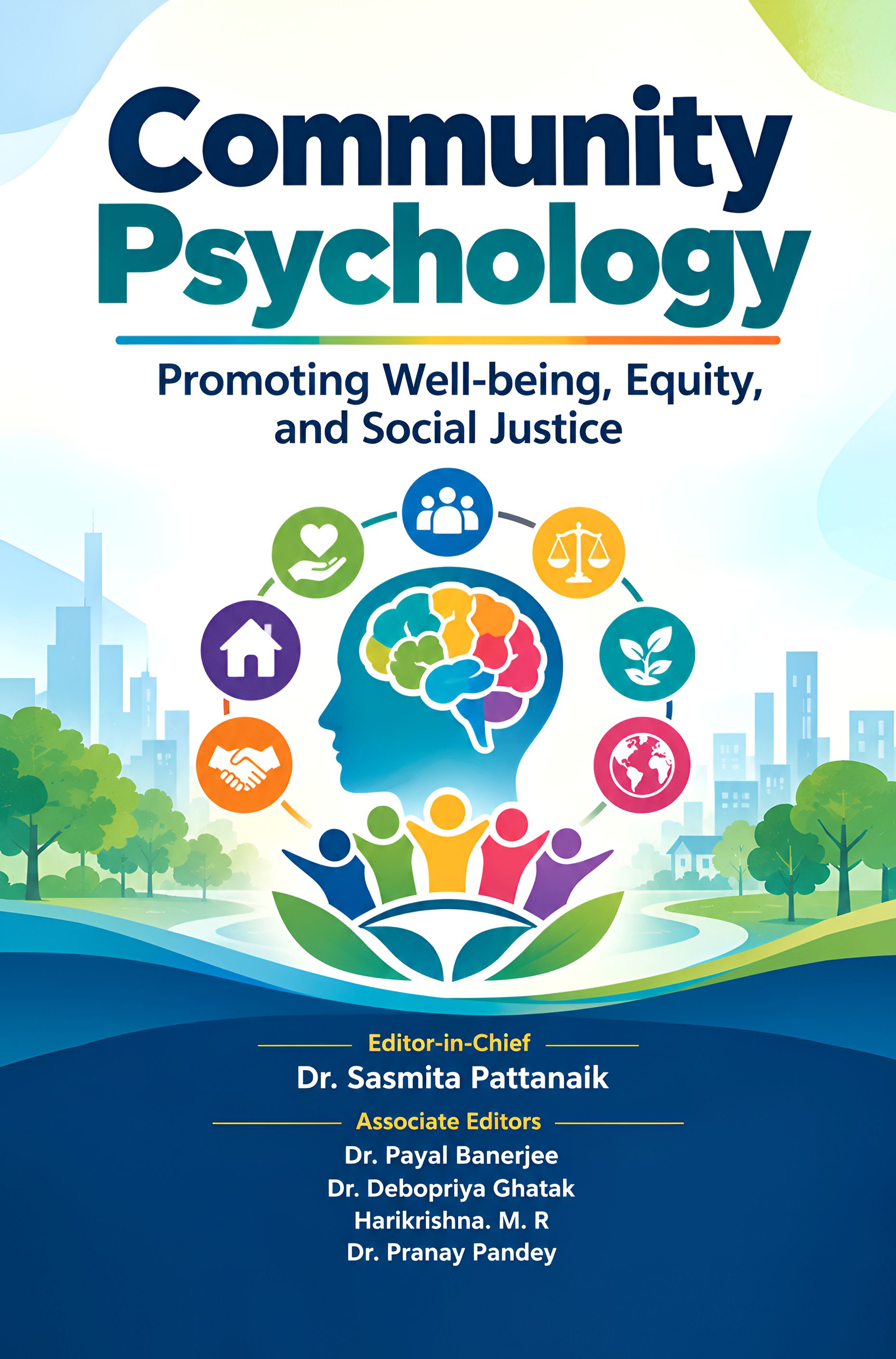
Published
2026-09-03
Issue
Section
Articles