HUMAN-AI COLLABORATION IN HIGHER EDUCATION
DOI:
https://doi.org/10.25215/0557798787.05Abstract
Artificial intelligence (AI) is steadily reshaping the way teaching, learning, and institutional decision-making are conducted in higher education. Historically, universities have relied on instructor-led pedagogy, fixed curricula, and administrative judgment based on their experience. The emergence of generative AI, intelligent tutoring systems, learning analytics, and AI-enabled administrative tools is giving rise to a collaborative model in which human educators and AI systems share responsibility for designing, delivering, and evaluating learning experiences. This chapter examines the concept, scope, and theoretical grounding of human-AI collaboration in higher education, drawing on recent global research and institutional practice. It explores key application areas, such as personalized learning, intelligent assessment, faculty support, and student advising, alongside the academic, administrative, and social benefits this collaboration offers. The chapter also discusses the policy, ethical, and infrastructural challenges that must be addressed for responsible adoption and outlines emerging directions, including AI-augmented pedagogy, hybrid intelligence models and adaptive institutional governance. The chapter concludes that human-AI collaboration, when guided by sound policy and faculty preparedness, can enhance the quality, equity, and responsiveness of higher education while keeping human judgment and student well-being central to the process.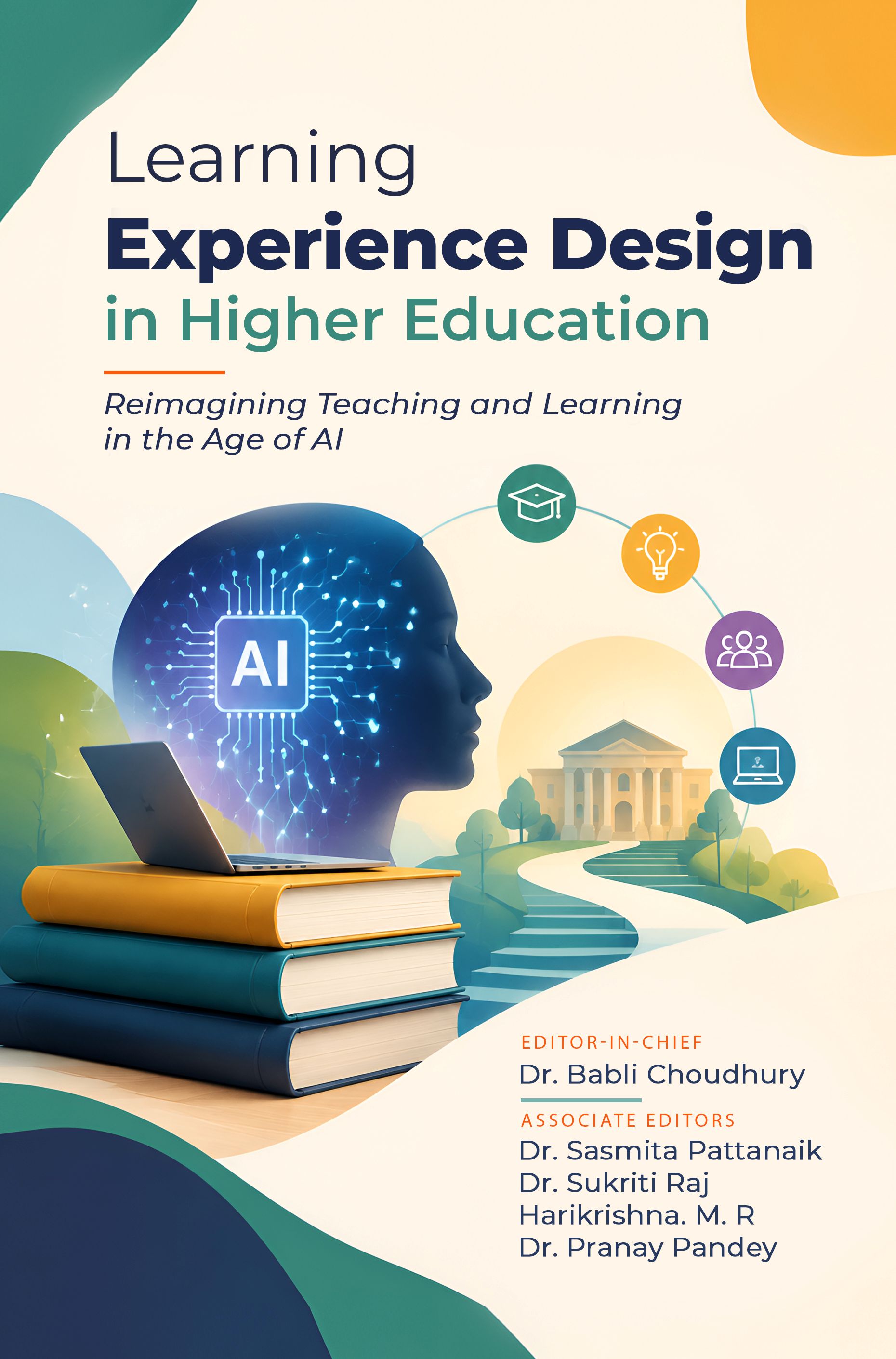
Published
2026-09-08
Issue
Section
Articles