STUDENT WELL-BEING, MOTIVATION, AND LEARNING EXPERIENCE DESIGN IN HIGHER EDUCATION: AI-ENHANCED PATHWAYS FOR HOLISTIC DEVELOPMENT AND PRACTICAL ENGAGEMENT
DOI:
https://doi.org/10.25215/0557798787.23Abstract
This chapter explores the intersection of student well-being, motivation, and learning experience design (LxD) in higher education institutions leveraging artificial intelligence. Contemporary educational systems often separate academic rigor from student wellness, creating stress-laden environments that diminish intrinsic motivation and critical thinking skills. This chapter proposes an integrated model combining balanced assessment (50% practical, 50% knowledge-based), holistic well-being integration through creative and physical activities, and AI-facilitated collaborative learning from foundational stages. The chapter synthesizes theoretical frameworks including Self-Determination Theory, Bloom's taxonomy, and social learning theory to articulate how AI-powered assessment systems, personalized learning analytics, and collaborative algorithms can create stress-free, engagement-rich learning environments. Specific AI tools—including ChatGPT for personalized tutoring, Turnitin's AI feedback systems, Adobe Express for creative integration, and wearable-based wellness monitoring—exemplify practical implementation strategies. The chapter addresses implementation challenges including assessment fairness, equitable access to enrichment activities, and data privacy in AI systems. Ultimately, this work advocates for education systems that simultaneously develop competence, foster psychological well-being, cultivate teamwork capabilities, and prepare graduates with real-world problem-solving skills aligned to industry demands and societal needs.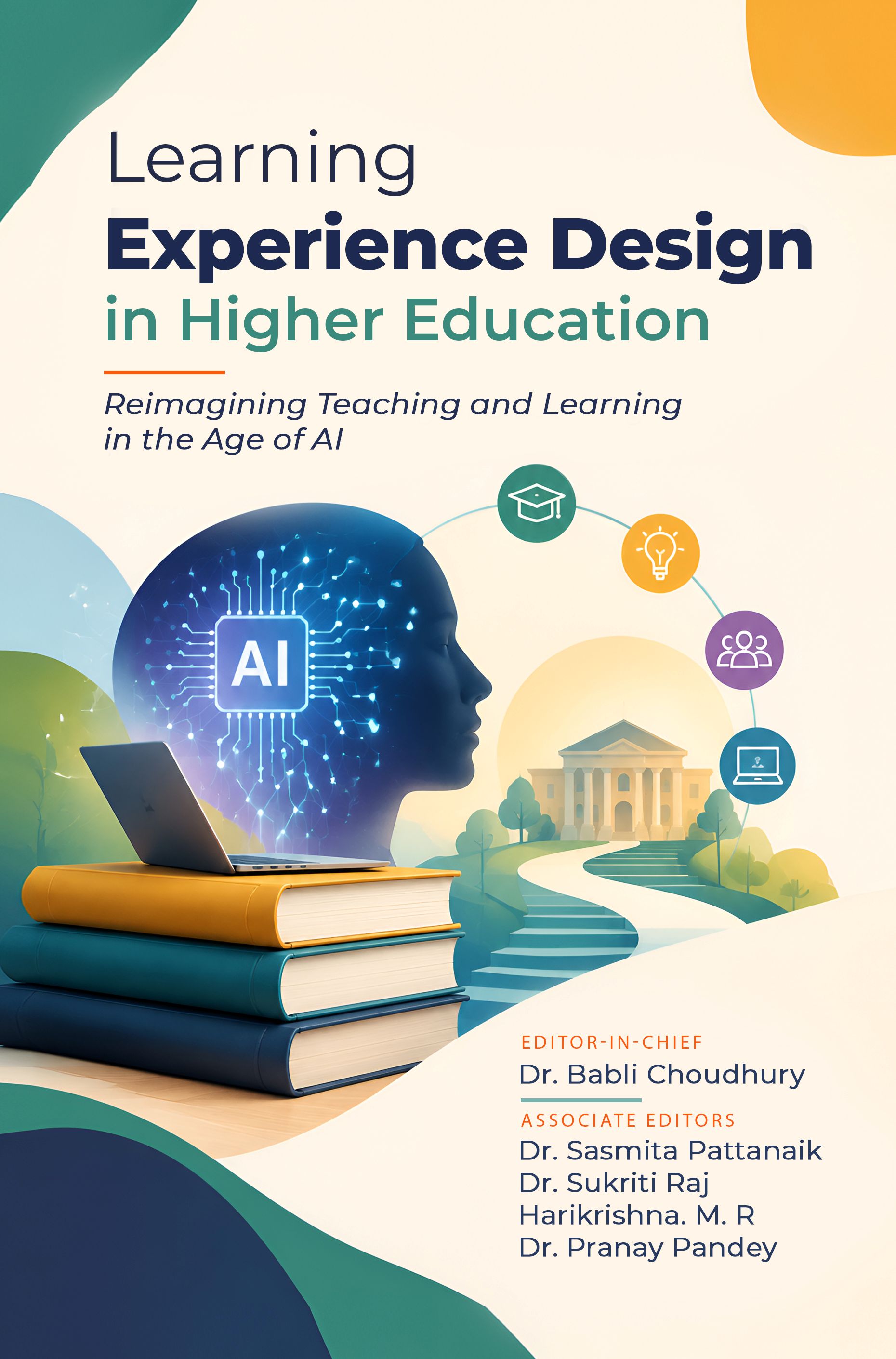
Published
2026-09-08
Issue
Section
Articles