TEACHER EDUCATION AS A CATALYST FOR EQUITY, INCLUSION, AND SOCIAL JUSTICE
DOI:
https://doi.org/10.25215/9141002113.23Abstract
In an era of widening social divides and diverse educational realities, classrooms are spaces where fairness, belonging, and justice are continuously negotiated. Teacher education, within this context, emerges as a transformative site for fostering equity, inclusion, and social justice. This chapter conceptualizes these three as interrelated foundations guiding teacher preparation toward fairness, participation, and democratic engagement. It traces the evolution of teacher education from technical training to a broader vision of transformative professional preparation, cultivating reflective, ethically grounded, and socially responsive teachers. Teacher education acts as a catalyst for equity by preparing educators for diverse learners, addressing systemic disadvantages, and promoting culturally responsive, learner-centred pedagogy. Inclusive practices including inclusive curriculum design, differentiated instruction, Universal Design for Learning, and inclusive assessment are examined. The chapter also emphasizes social justice, highlighting the development of critical consciousness, teachers as change agents, and the need to address power, privilege, and marginalization in classrooms. Key challenges, such as tokenistic inclusion, theory practice gaps, limited faculty readiness, and structural constraints, are critically discussed. Finally, strategic directions are proposed to strengthen teacher education through curriculum reforms, enhanced practicum experiences, faculty development, and research-driven approaches, aiming to cultivate a more equitable, inclusive, and socially responsive educational landscape.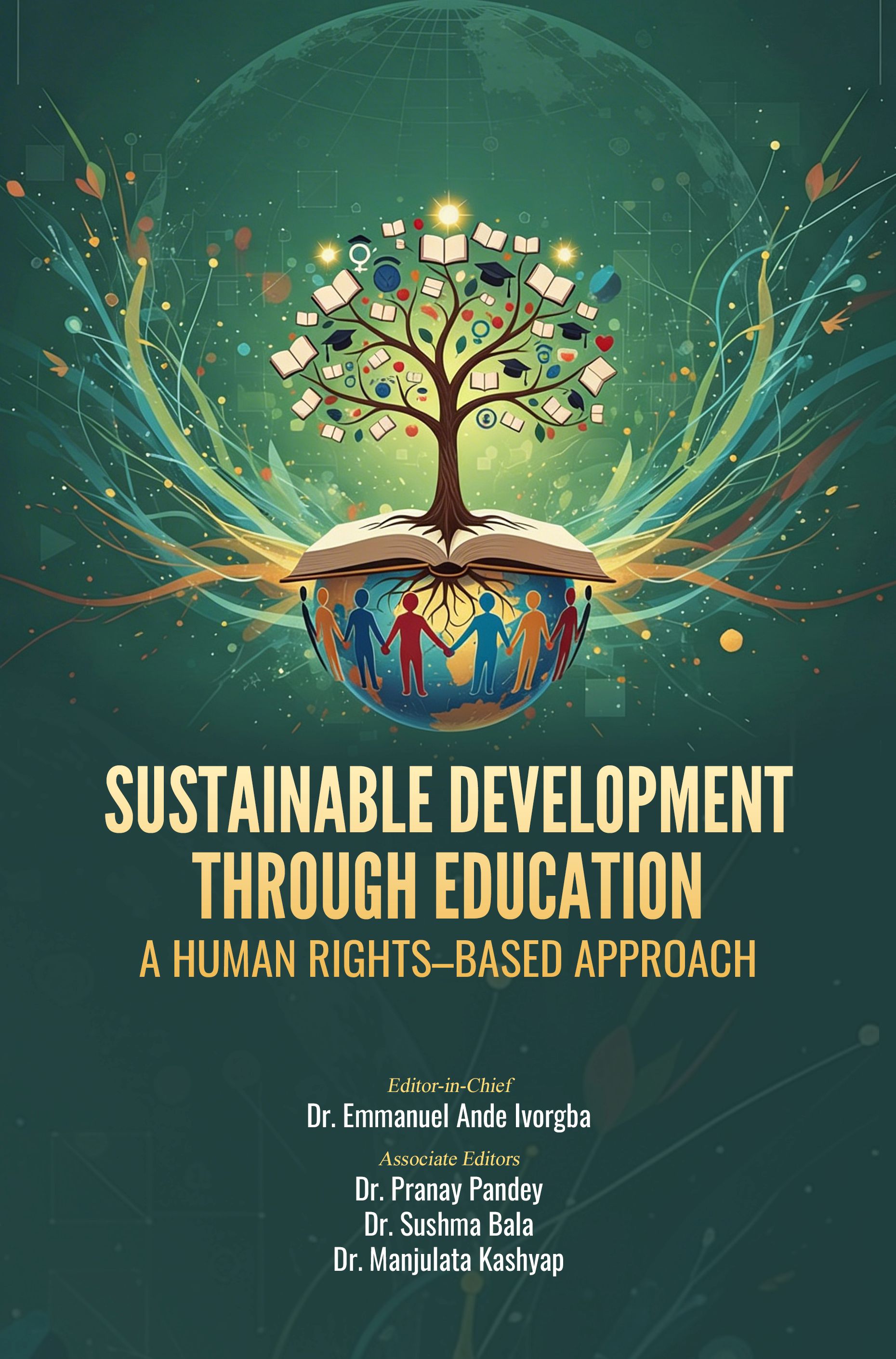
Published
2026-02-10
Issue
Section
Articles

