ARTIFICIAL INTELLIGENCE AND POSTHUMAN TEACHING: REIMAGINING TEACHER–LEARNER RELATIONSHIPS IN THE FUTURE OF EDUCATION
DOI:
https://doi.org/10.25215/9141002466.09Abstract
Artificial Intelligence (AI) is transforming education from a predominantly human-centred model of knowledge transmission toward increasingly interconnected human–machine learning environments. Within this transformation, posthuman perspectives provide a useful theoretical lens for reconsidering the conventional boundaries between teacher, learner, technology, knowledge, and agency. This paper examines how AI may reshape teacher–learner relationships and contribute to emerging models of posthuman teaching. The study adopts a qualitative literature-review methodology, analysing scholarly literature on AI in education, posthuman theory, teacher–AI collaboration, generative AI, and human-centred educational technology. The findings indicate that AI is increasingly repositioning teachers from knowledge transmitters toward facilitators, designers, mentors, ethical mediators, and learning orchestrators. At the same time, learners are becoming active participants within human–AI learning networks. However, effective transformation requires attention to algorithmic bias, privacy, digital inequality, academic integrity, teacher autonomy, and human agency. The paper argues that posthuman teaching should not replace human relationships with technological systems; rather, it should develop a collaborative educational ecology in which human judgement, empathy, creativity, and AI capabilities mutually support meaningful learning.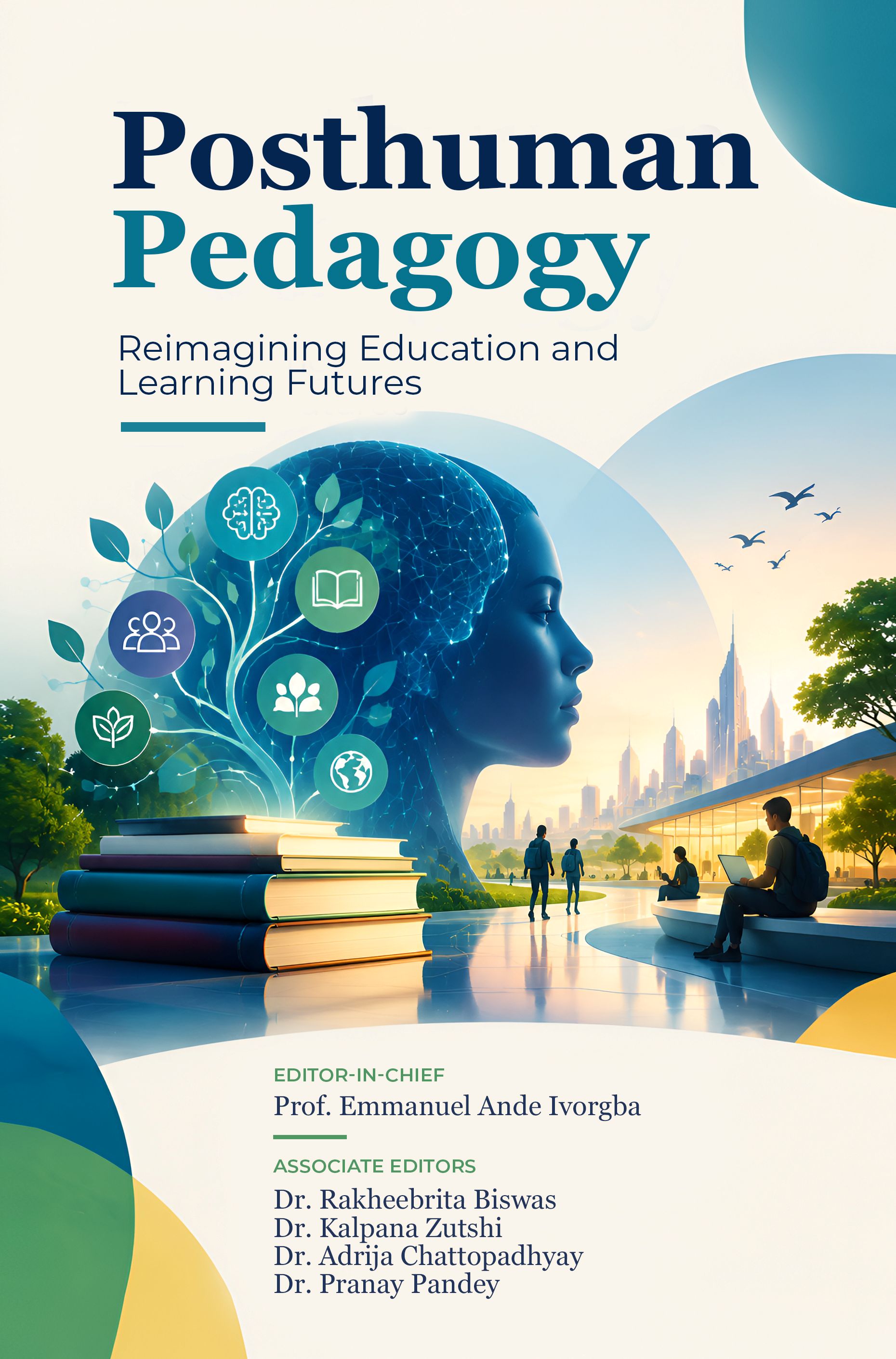
Published
2026-09-10
Issue
Section
Articles