ARTIFICIAL INTELLIGENCE: REIMAGINING SCHOOLS, UNIVERSITIES AND LEARNING ECOSYSTEMS FOR THE POSTHUMAN FUTURE
DOI:
https://doi.org/10.25215/9141002466.11Abstract
The rapid evolution of human-trained technologies, particularly artificial intelligence, marks a transformative shift in how knowledge is created, shared, and experienced. This technological revolution raises a critical question: Are we moving toward a world where human agency is diminished, or toward one where humans and intelligent technologies coexist in collaborative and interdependent ways? Posthumanism offers a compelling theoretical framework by challenging the traditional anthropocentric worldview that positions humans as the sole agents of knowledge, authority, and decision-making. Instead, it recognizes learning as an emergent process shaped through the interactions of humans, technologies, materials, and environments, while viewing identity, intelligence, and agency as fluid rather than fixed. Drawing on an analysis of contemporary literature, this paper examines the implications of posthumanist thought for education in the age of artificial intelligence. It argues that technology should no longer be understood merely as an external instructional tool but as an integral participant in teaching, learning, and knowledge construction. Rather than widening the divide between humans and machines, posthumanist perspectives have the potential to foster more inclusive, relational, and adaptive educational environments that value collaboration, creativity, and distributed intelligence. The paper concludes that the future of education lies in moving beyond conventional human-centered pedagogies toward a posthuman paradigm that reimagines learning as a dynamic network of human and non-human relationships, thereby preparing learners for the complexities of an AI-mediated world.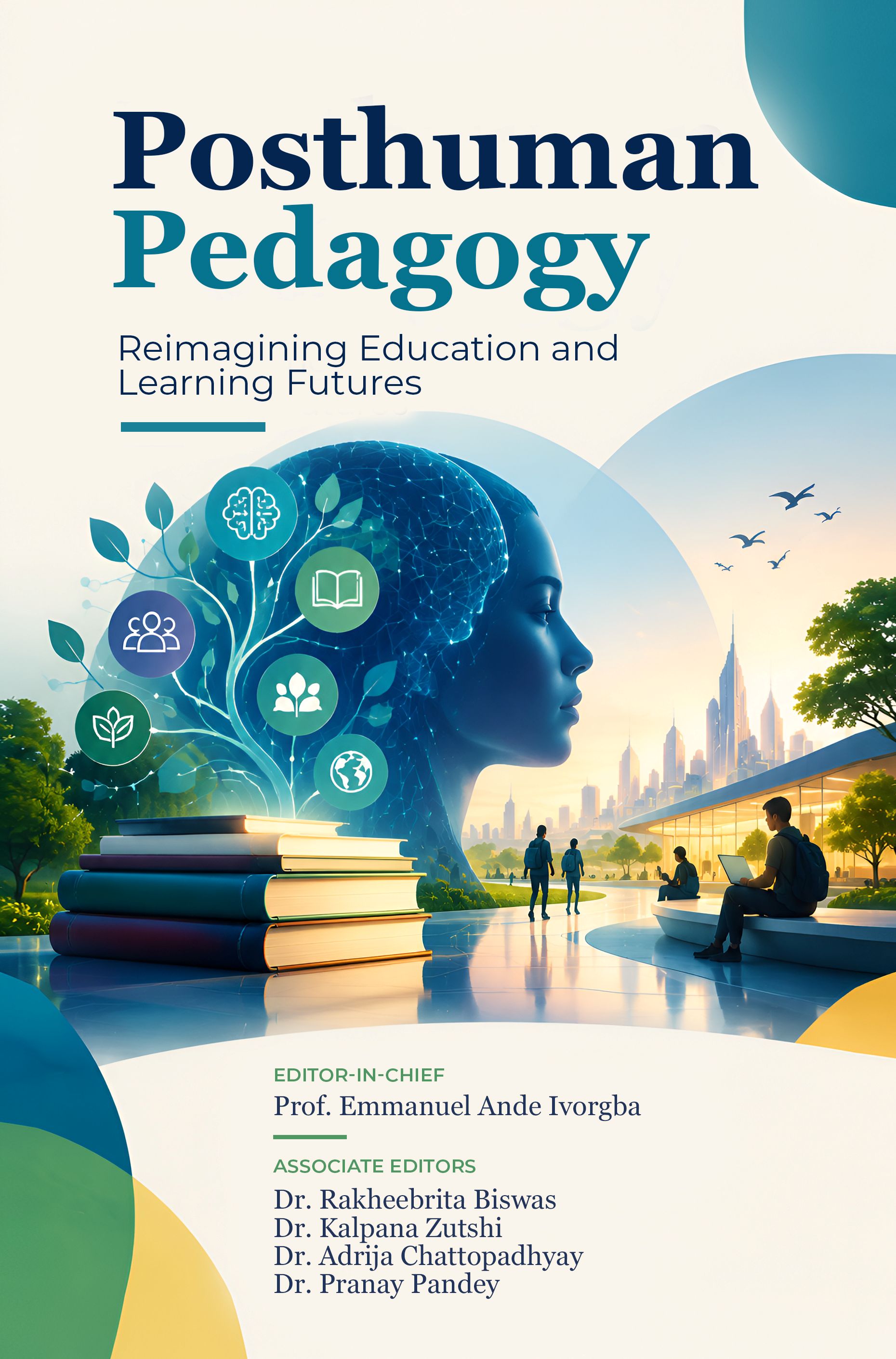
Published
2026-09-10
Issue
Section
Articles